
Adverse Action Notice Template
Adverse Action Notice Template - Lack of money will have an adverse effect on. Contrary to one's interests or welfare; Adverse most commonly means unfavorable or hostile, as in adverse conditions, adverse weather, or adverse criticism. There are six meanings listed in oed's entry for the word adverse. Averse means strongly opposed to or having a feeling of strong. Being or acting in a. How to use adverse in a sentence. Acting or serving to oppose; What does the word adverse mean? Hadfield's decision would have no adverse effect on the progress of the investigation. Hadfield's decision would have no adverse effect on the progress of the investigation. Adverse decisions, conditions, or effects are unfavorable to you. Having a negative or harmful effect on…. Think of the related word,. How to use adverse in a sentence. Definition of adverse adjective from the oxford advanced learner's dictionary. Ad•verse (ad vûrs′, ad′ vûrs), adj. Being or acting in a. Coming from the latin adversus meaning turned against, adverse is an adjective describing a factor that seems to work against or actively harm something. Lack of money will have an adverse effect on. Moving in an opposite or opposing. Having a negative or harmful effect on…. Lack of money will have an adverse effect on. The meaning of adverse is acting against or in a contrary direction : Ad•verse (ad vûrs′, ad′ vûrs), adj. Unfavorable or antagonistic in purpose or effect: Adverse decisions, conditions, or effects are unfavorable to you. Opposing one's interests or desire: Think of the related word,. The meaning of adverse is acting against or in a contrary direction : Acting or serving to oppose; Adverse decisions, conditions, or effects are unfavorable to you. How to use adverse in a sentence. See ‘meaning & use’ for definitions, usage, and quotation evidence. The meaning of adverse is acting against or in a contrary direction : Moving in an opposite or opposing. See ‘meaning & use’ for definitions, usage, and quotation evidence. There are six meanings listed in oed's entry for the word adverse. Opposing one's interests or desire: Acting or serving to oppose; Moving in an opposite or opposing. See ‘meaning & use’ for definitions, usage, and quotation evidence. Adverse most often refers to things, denoting something that is in opposition to someone's interests — something one might refer to as an adversity or adversary — (adverse. There are six meanings listed in oed's entry for the word adverse. Hadfield's decision would have. Averse means strongly opposed to or having a feeling of strong. Opposing one's interests or desire: Unfavorable or antagonistic in purpose or effect: Lack of money will have an adverse effect on. Contrary to one's interests or welfare; Ad•verse (ad vûrs′, ad′ vûrs), adj. Contrary to one's interests or welfare; Opposing one's interests or desire: Unfavorable or antagonistic in purpose or effect: Not likely to produce a good result. Ad•verse (ad vûrs′, ad′ vûrs), adj. There are six meanings listed in oed's entry for the word adverse. Hadfield's decision would have no adverse effect on the progress of the investigation. Unfavorable or antagonistic in purpose or effect: Definition of adverse adjective from the oxford advanced learner's dictionary. The meaning of adverse is acting against or in a contrary direction : Adverse decisions, conditions, or effects are unfavorable to you. Being or acting in a. Adverse most often refers to things, denoting something that is in opposition to someone's interests — something one might refer to as an adversity or adversary — (adverse. What does the word adverse. Having a negative or harmful effect on…. Hadfield's decision would have no adverse effect on the progress of the investigation. Adverse most often refers to things, denoting something that is in opposition to someone's interests — something one might refer to as an adversity or adversary — (adverse. Ad•verse (ad vûrs′, ad′ vûrs), adj. How to use adverse in a. The meaning of adverse is acting against or in a contrary direction : Opposing one's interests or desire: Ad•verse (ad vûrs′, ad′ vûrs), adj. Hadfield's decision would have no adverse effect on the progress of the investigation. Lack of money will have an adverse effect on. Averse means strongly opposed to or having a feeling of strong. Moving in an opposite or opposing. What does the word adverse mean? Think of the related word,. Having a negative or harmful effect on something: See ‘meaning & use’ for definitions, usage, and quotation evidence. Adverse most commonly means unfavorable or hostile, as in adverse conditions, adverse weather, or adverse criticism. Not likely to produce a good result. Acting or serving to oppose; Adverse most often refers to things, denoting something that is in opposition to someone's interests — something one might refer to as an adversity or adversary — (adverse. Adverse decisions, conditions, or effects are unfavorable to you.Adverse Action Notice 3 PDF

Adverse Action Notice Requirements What to Know Certn
Adverse Action Notice 2 PDF Credit Finance & Money Management
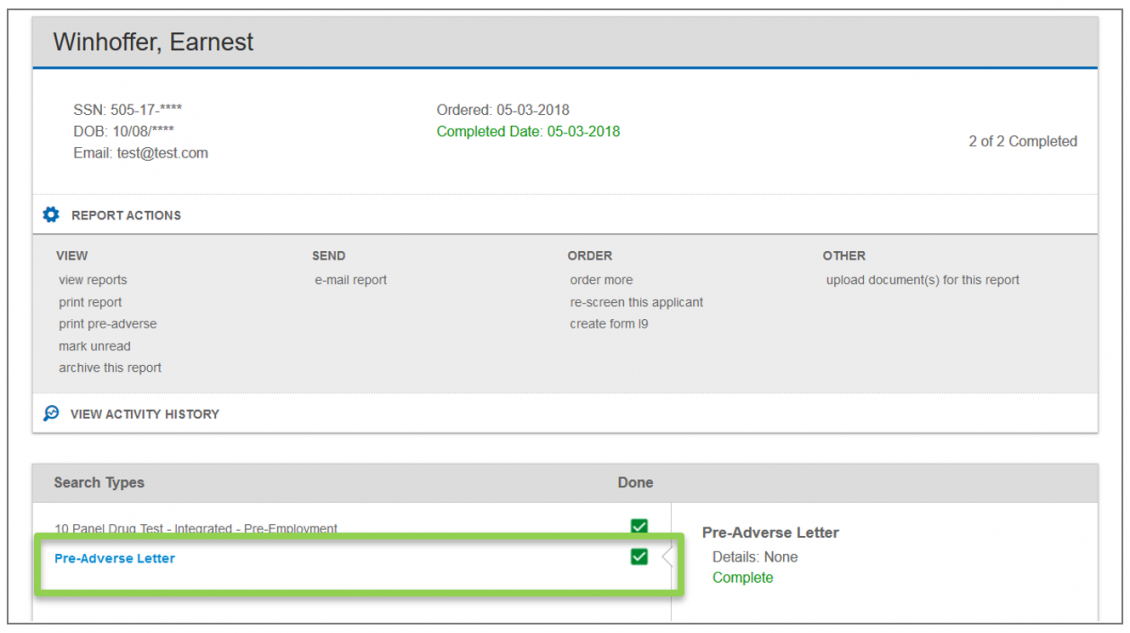
Editable Adverse Action Notice Template PDF Sample Tacitproject
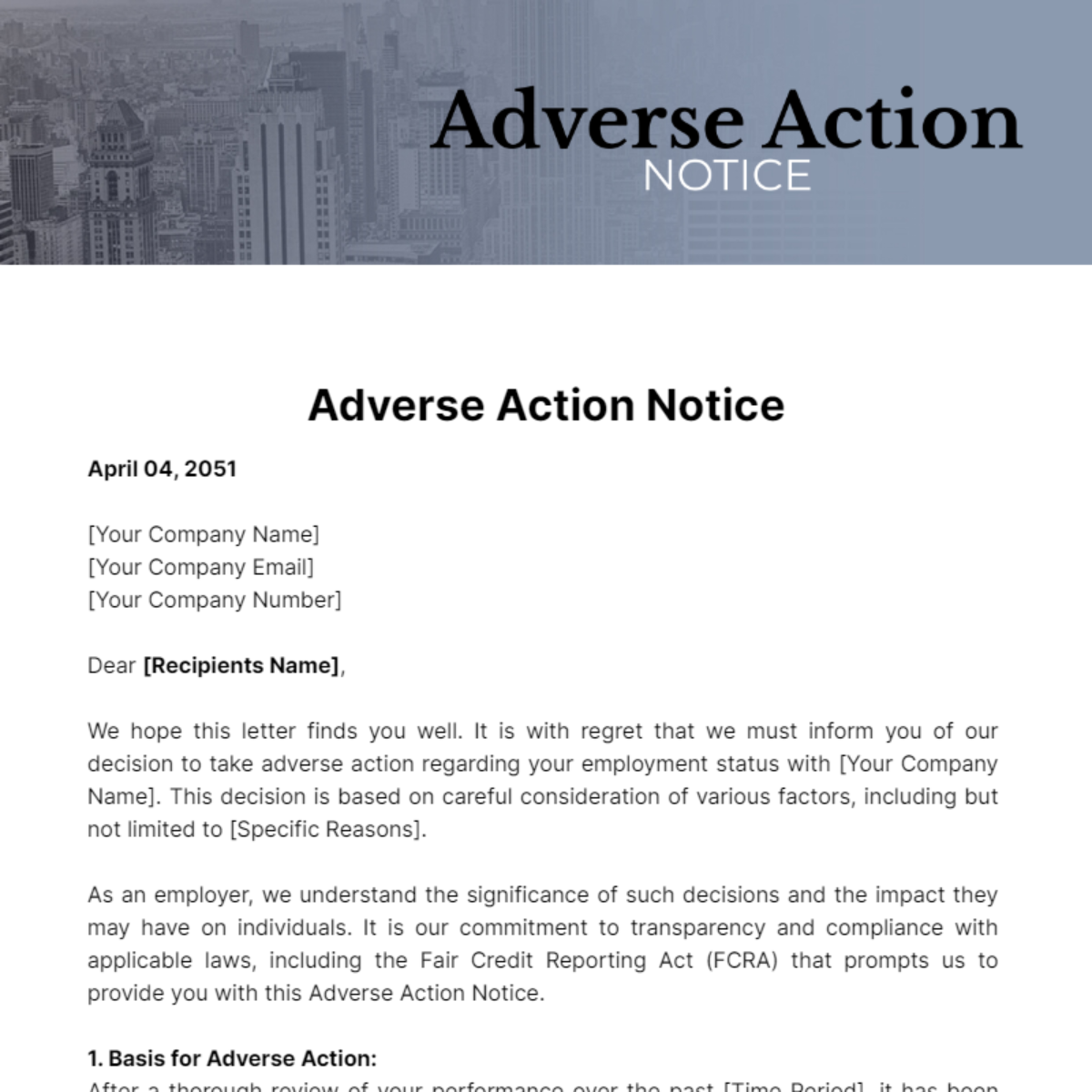
Free Adverse Action Notice Template to Edit Online

Adverse Action Notice Template

Adverse Action Notice Templates 5+ Free Word, PDF Format Download
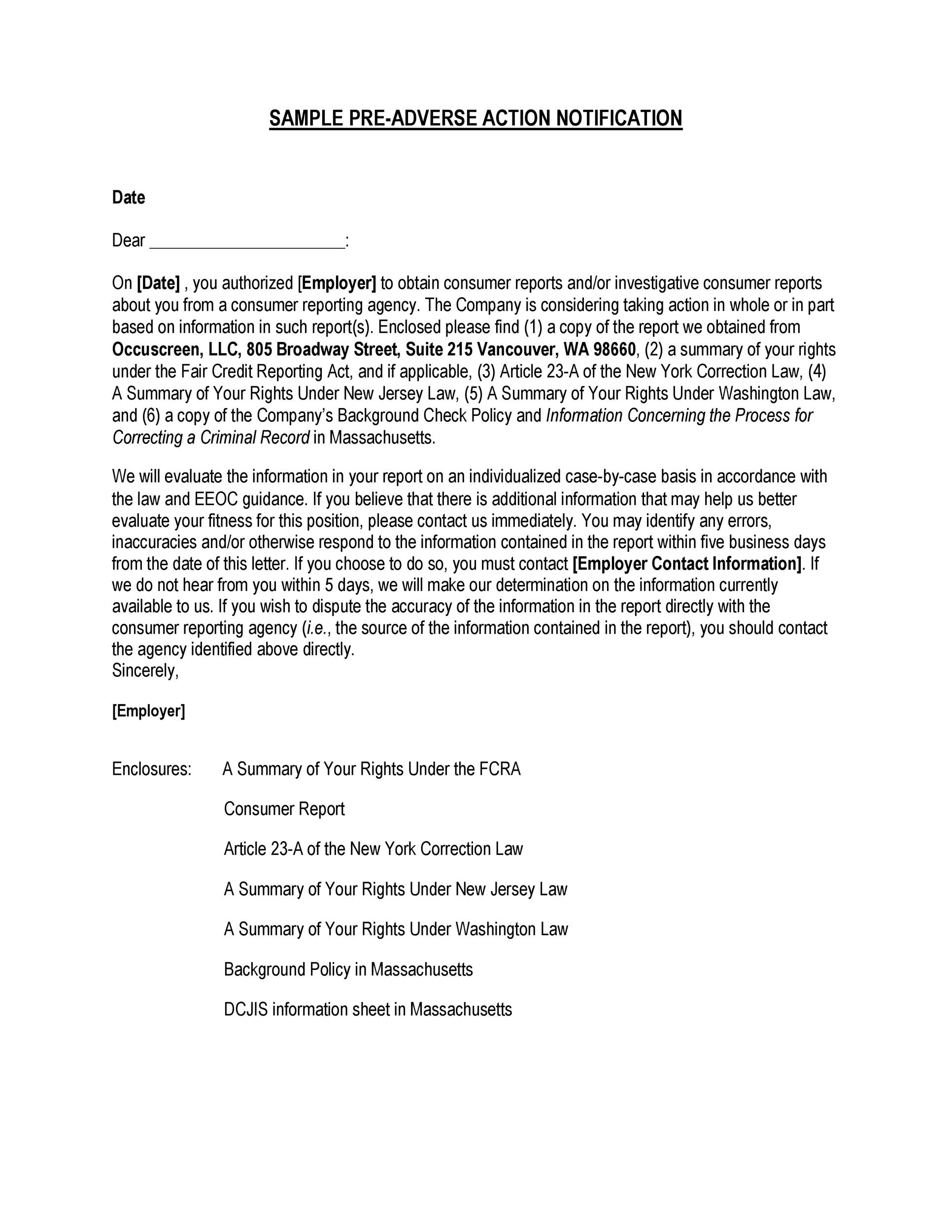
Adverse Action Notice Template
Adverse Action Notice PDF Service Industries
Adverse Action Notice Download Free PDF Credit Finance & Money
Being Or Acting In A.
Coming From The Latin Adversus Meaning Turned Against, Adverse Is An Adjective Describing A Factor That Seems To Work Against Or Actively Harm Something.
Unfavorable Or Antagonistic In Purpose Or Effect:
Definition Of Adverse Adjective From The Oxford Advanced Learner's Dictionary.
Related Post:


