
Ansible Template Module
Ansible Template Module - In the context of ansible, the template engine of choice is jinja2. I‘ll share pro tips for getting the most from. In most cases, you can use the short. Ansible template modules leverage jinja2 as a template engine for python to inject dynamic content into configuration files, allowing you to build custom or complicated. You will create mostly configuration templates in jinja2 format, and address them in your playbooks with the. It works similarly to the copy module, but with 2 major differences: Templates allow you to create new files on the nodes using predefined models based on the jinja2 templating system. Ansible’s template module transfers templated files to remote hosts. It’s similar to the copy module, which transfers files to local or remote hosts. Documentation on the template formatting can be found in the template designer documentation. I‘ll share pro tips for getting the most from. To use ansible templates, you need to use the template module in the playbook. Ansible template modules leverage jinja2 as a template engine for python to inject dynamic content into configuration files, allowing you to build custom or complicated. One of ansible’s most versatile features is its template module, which allows you to dynamically generate files from templates, adapting to different environments and. In most cases, you can use the short. Documentation on the template formatting can be found in the template designer documentation. Synopsis ¶ templates are processed by the jinja2 templating language. Templates allow you to create new files on the nodes using predefined models based on the jinja2 templating system. The template module is extremely. Ansible templates are typically saved as.tpl files and. In most cases, you can use the short. Learn how to use ansible templates and the ansible.builtin.template module with real examples. Documentation on the template formatting can be found in the template designer documentation. You will create mostly configuration templates in jinja2 format, and address them in your playbooks with the. In the context of ansible, the template engine of. Documentation on the template formatting can be found in the template designer documentation. To use ansible templates, you need to use the template module in the playbook. Synopsis ¶ templates are processed by the jinja2 templating language. The template module is extremely. It’s similar to the copy module, which transfers files to local or remote hosts. One of ansible’s most versatile features is its template module, which allows you to dynamically generate files from templates, adapting to different environments and. In most cases, you can use the short. Templates allow you to create new files on the nodes using predefined models based on the jinja2 templating system. It’s similar to the copy module, which transfers files. Ansible template modules leverage jinja2 as a template engine for python to inject dynamic content into configuration files, allowing you to build custom or complicated. Synopsis ¶ templates are processed by the jinja2 templating language. It’s similar to the copy module, which transfers files to local or remote hosts. Templates allow you to create new files on the nodes using. Ansible template modules leverage jinja2 as a template engine for python to inject dynamic content into configuration files, allowing you to build custom or complicated. One of ansible’s most versatile features is its template module, which allows you to dynamically generate files from templates, adapting to different environments and. It works similarly to the copy module, but with 2 major. To use ansible templates, you need to use the template module in the playbook. The template module is extremely. In the context of ansible, the template engine of choice is jinja2. Learn how to use ansible templates and the ansible.builtin.template module with real examples. Templates allow you to create new files on the nodes using predefined models based on the. I‘ll share pro tips for getting the most from. The template module is extremely. Ansible templates are typically saved as.tpl files and. Ansible’s template module transfers templated files to remote hosts. Synopsis ¶ templates are processed by the jinja2 templating language. The template module is extremely. I‘ll share pro tips for getting the most from. Ansible template modules leverage jinja2 as a template engine for python to inject dynamic content into configuration files, allowing you to build custom or complicated. Ansible templates are typically saved as.tpl files and. It’s similar to the copy module, which transfers files to local or remote. In most cases, you can use the short. You will create mostly configuration templates in jinja2 format, and address them in your playbooks with the. In the context of ansible, the template engine of choice is jinja2. I‘ll share pro tips for getting the most from. It works similarly to the copy module, but with 2 major differences: I‘ll share pro tips for getting the most from. Learn how to use ansible templates and the ansible.builtin.template module with real examples. Ansible template modules leverage jinja2 as a template engine for python to inject dynamic content into configuration files, allowing you to build custom or complicated. One of ansible’s most versatile features is its template module, which allows you. I‘ll share pro tips for getting the most from. Learn how to use ansible templates and the ansible.builtin.template module with real examples. To use ansible templates, you need to use the template module in the playbook. You will create mostly configuration templates in jinja2 format, and address them in your playbooks with the. One of ansible’s most versatile features is its template module, which allows you to dynamically generate files from templates, adapting to different environments and. Templates allow you to create new files on the nodes using predefined models based on the jinja2 templating system. The template module is extremely. Ansible’s template module transfers templated files to remote hosts. In the context of ansible, the template engine of choice is jinja2. Documentation on the template formatting can be found in the template designer documentation. Synopsis ¶ templates are processed by the jinja2 templating language. It’s similar to the copy module, which transfers files to local or remote hosts.
Apply a file template Ansible module template HTML placeholder
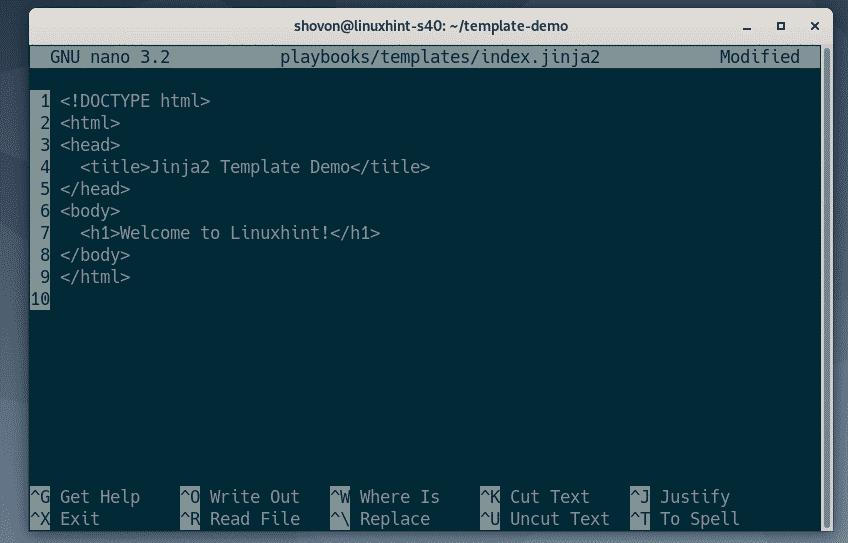
Template Module Ansible

Using Ansible template Module With Ansible Jinja2 template

Template Module Ansible

Ansible Template module Examples Jinja2 Templates Devops Junction

Ansible Template Module
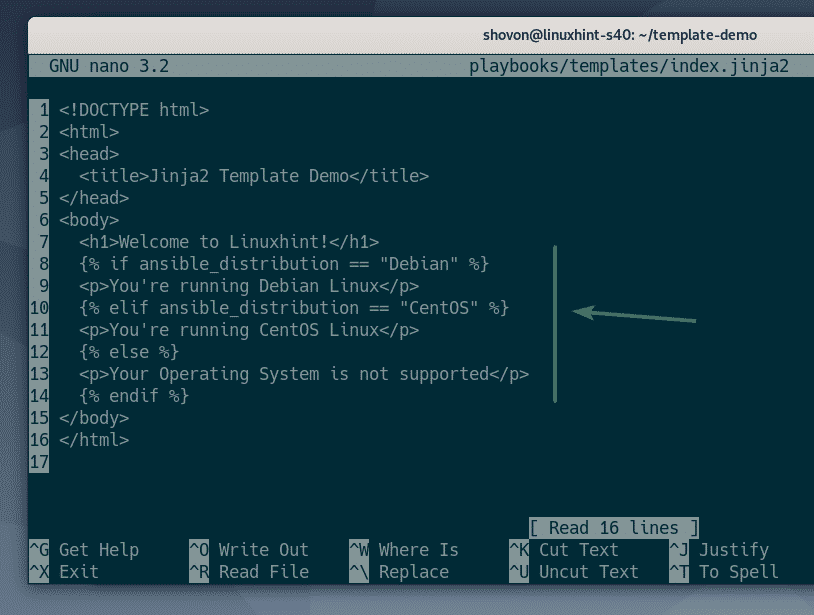
Ansible Template Module
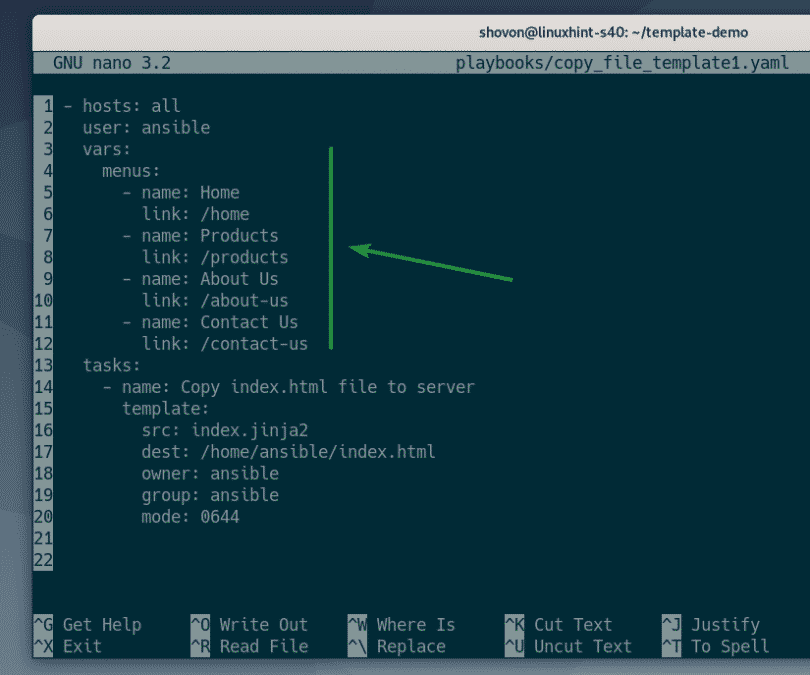
Template Module Ansible

Ansible Template Module

Ansible Template module Examples Jinja2 Templates Devops Junction
Ansible Templates Are Typically Saved As.tpl Files And.
In Most Cases, You Can Use The Short.
It Works Similarly To The Copy Module, But With 2 Major Differences:
Ansible Template Modules Leverage Jinja2 As A Template Engine For Python To Inject Dynamic Content Into Configuration Files, Allowing You To Build Custom Or Complicated.
Related Post: