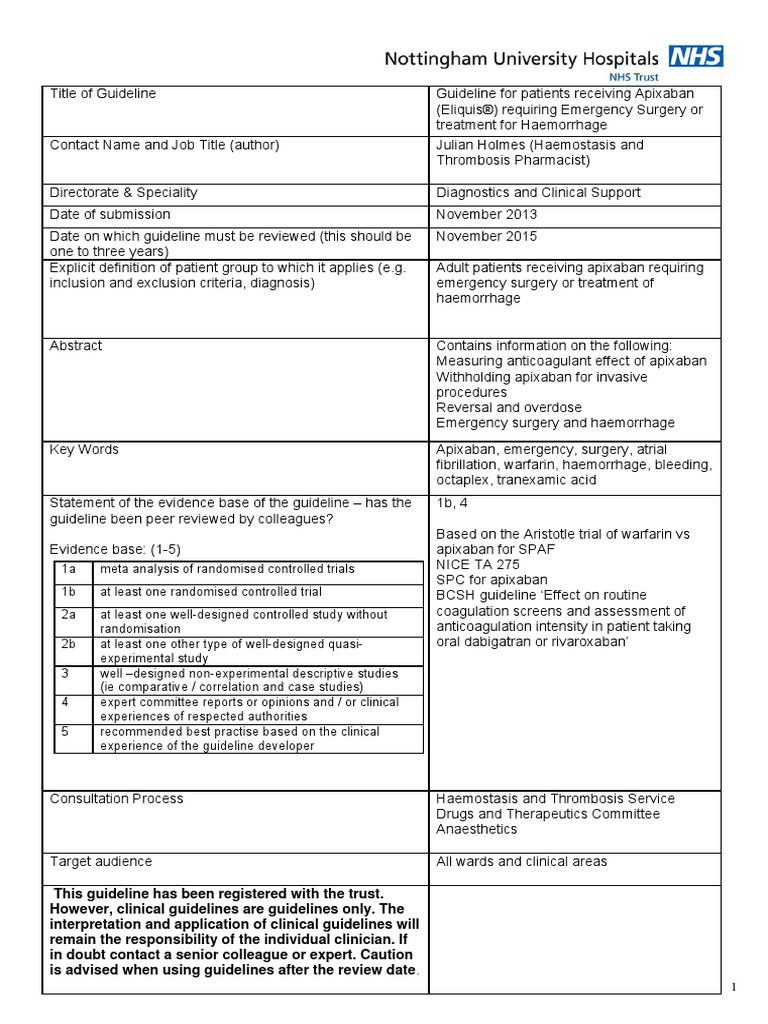
Apixaban Medication Template
Apixaban Medication Template - Apixaban is an anticoagulant (blood thinner) that reduces blood clotting and reduces the risk of stroke and systemic embolism in patients with. Switching between apixaban and anticoagulants other than. Indicated for treatment of deep venous thrombosis (dvt) and pulmonary embolism (pe) 10 mg po bid x 7 days, then 5 mg bid. Apixaban is used to lower the risk of stroke caused by a blood clot in people with a heart rhythm disorder called atrial fibrillation. People who have atrial fibrillation. Apixaban is used to treat or prevent deep venous thrombosis, a condition in which harmful blood clots form in the blood vessels of the legs. Apixaban oral tablet is a prescription drug used to treat and prevent blood clots such as deep vein thrombosis (dvt) and pulmonary embolism (pe). The anticoagulant eliquis® (apixaban) inhibits factor xa to prevent and treat blood clots and prevent stroke in people with atrial fibrillation but no valve issues. Apixaban is a prescription blood thinning medication used to prevent blood clots in the heart and strokes in patients with atrial fibrillation (afib, af), and to prevent and treat deep vein. These blood clots can travel to the. The anticoagulant eliquis® (apixaban) inhibits factor xa to prevent and treat blood clots and prevent stroke in people with atrial fibrillation but no valve issues. Eliquis (apixaban) is commonly used for the following conditions. What is apixaban and how does it work? Switching between apixaban and anticoagulants other than. Apixaban reduces the clotting ability of the blood and is used in the treatment and prevention of several medical conditions associated with blood clots. Apixaban is used to help prevent strokes or blood clots in people who have atrial fibrillation (a condition in which the heart beats irregularly, increasing the chance of clots forming in the. Apixaban is an anticoagulant (blood thinner) that reduces blood clotting and reduces the risk of stroke and systemic embolism in patients with. Apixaban is also used after. To prevent strokes and blood clots in people who have atrial fibrillation. Apixaban is used to lower the risk of stroke caused by a blood clot in people with a heart rhythm disorder called atrial fibrillation. What is apixaban and how does it work? Apixaban is used to lower the risk of stroke caused by a blood clot in people with a heart rhythm disorder called atrial fibrillation. Apixaban is a prescription blood thinning medication used to prevent blood clots in the heart and strokes in patients with atrial fibrillation (afib, af), and to prevent and. To prevent strokes and blood clots in people who have atrial fibrillation. Apixaban oral tablet is a prescription drug used to treat and prevent blood clots such as deep vein thrombosis (dvt) and pulmonary embolism (pe). Apixaban is used to treat or prevent deep venous thrombosis, a condition in which harmful blood clots form in the blood vessels of the. Apixaban is a prescription blood thinning medication used to prevent blood clots in the heart and strokes in patients with atrial fibrillation (afib, af), and to prevent and treat deep vein. Apixaban oral tablet is a prescription drug used to treat and prevent blood clots such as deep vein thrombosis (dvt) and pulmonary embolism (pe). Apixaban is used to lower. Indicated for treatment of deep venous thrombosis (dvt) and pulmonary embolism (pe) 10 mg po bid x 7 days, then 5 mg bid. People who have atrial fibrillation. Apixaban oral tablet is a prescription drug used to treat and prevent blood clots such as deep vein thrombosis (dvt) and pulmonary embolism (pe). Apixaban is a prescription blood thinning medication used. The anticoagulant eliquis® (apixaban) inhibits factor xa to prevent and treat blood clots and prevent stroke in people with atrial fibrillation but no valve issues. Eliquis (apixaban) is commonly used for the following conditions. To prevent strokes and blood clots in people who have atrial fibrillation. Apixaban is a prescription blood thinning medication used to prevent blood clots in the. Indicated for treatment of deep venous thrombosis (dvt) and pulmonary embolism (pe) 10 mg po bid x 7 days, then 5 mg bid. Apixaban is also used after. Apixaban is used to help prevent strokes or blood clots in people who have atrial fibrillation (a condition in which the heart beats irregularly, increasing the chance of clots forming in the.. Apixaban is used to lower the risk of stroke caused by a blood clot in people with a heart rhythm disorder called atrial fibrillation. Switching between apixaban and anticoagulants other than. These blood clots can travel to the. People who have atrial fibrillation. The anticoagulant eliquis® (apixaban) inhibits factor xa to prevent and treat blood clots and prevent stroke in. Apixaban is used to treat or prevent deep venous thrombosis, a condition in which harmful blood clots form in the blood vessels of the legs. Apixaban is also used after. The anticoagulant eliquis® (apixaban) inhibits factor xa to prevent and treat blood clots and prevent stroke in people with atrial fibrillation but no valve issues. Apixaban is used to lower. Apixaban reduces the clotting ability of the blood and is used in the treatment and prevention of several medical conditions associated with blood clots. Apixaban oral tablet is a prescription drug used to treat and prevent blood clots such as deep vein thrombosis (dvt) and pulmonary embolism (pe). Apixaban is used to lower the risk of stroke caused by a. Apixaban oral tablet is a prescription drug used to treat and prevent blood clots such as deep vein thrombosis (dvt) and pulmonary embolism (pe). Eliquis (apixaban) is commonly used for the following conditions. These blood clots can travel to the. To prevent strokes and blood clots in people who have atrial fibrillation. Apixaban reduces the clotting ability of the blood. Apixaban is used to help prevent strokes or blood clots in people who have atrial fibrillation (a condition in which the heart beats irregularly, increasing the chance of clots forming in the. The anticoagulant eliquis® (apixaban) inhibits factor xa to prevent and treat blood clots and prevent stroke in people with atrial fibrillation but no valve issues. Switching between apixaban and anticoagulants other than. Apixaban is used to treat or prevent deep venous thrombosis, a condition in which harmful blood clots form in the blood vessels of the legs. To prevent strokes and blood clots in people who have atrial fibrillation. Apixaban oral tablet is a prescription drug used to treat and prevent blood clots such as deep vein thrombosis (dvt) and pulmonary embolism (pe). Eliquis (apixaban) is commonly used for the following conditions. These blood clots can travel to the. Apixaban reduces the clotting ability of the blood and is used in the treatment and prevention of several medical conditions associated with blood clots. Indicated for treatment of deep venous thrombosis (dvt) and pulmonary embolism (pe) 10 mg po bid x 7 days, then 5 mg bid. Apixaban is also used after. Apixaban is an anticoagulant (blood thinner) that reduces blood clotting and reduces the risk of stroke and systemic embolism in patients with.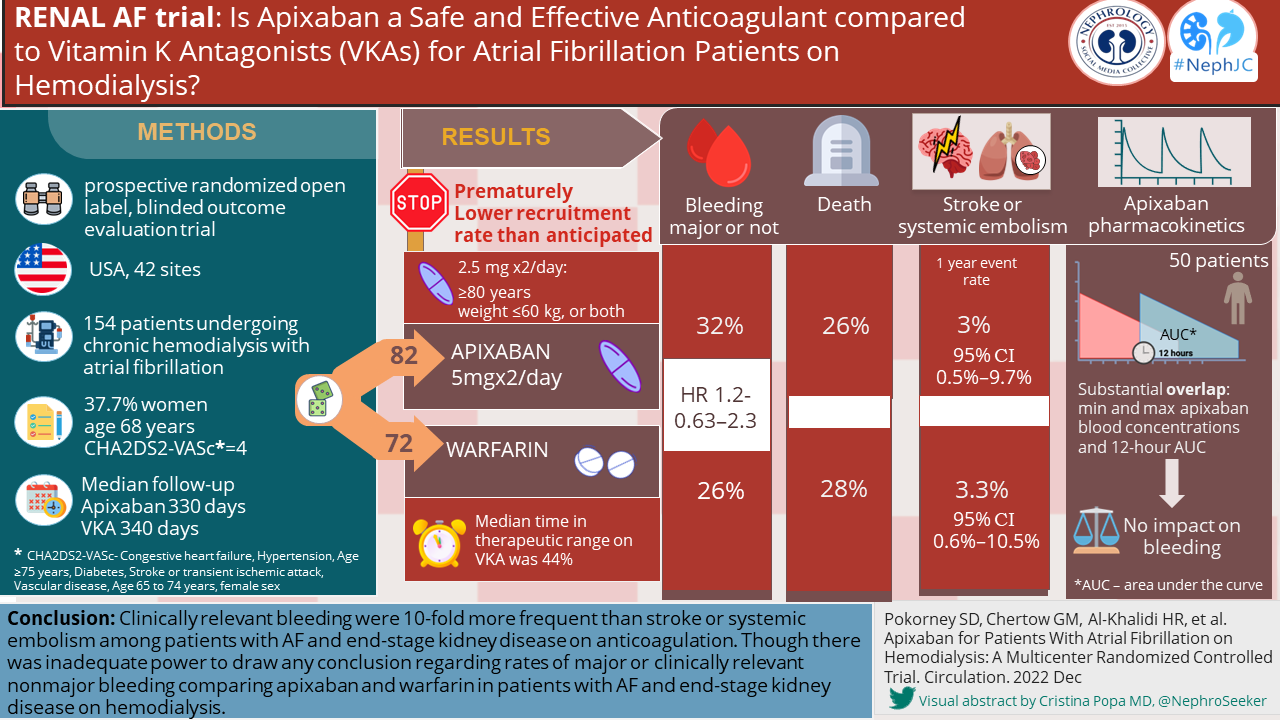
Apixaban for atrial fibrillation in dialysis Visual Abstract for RENAL
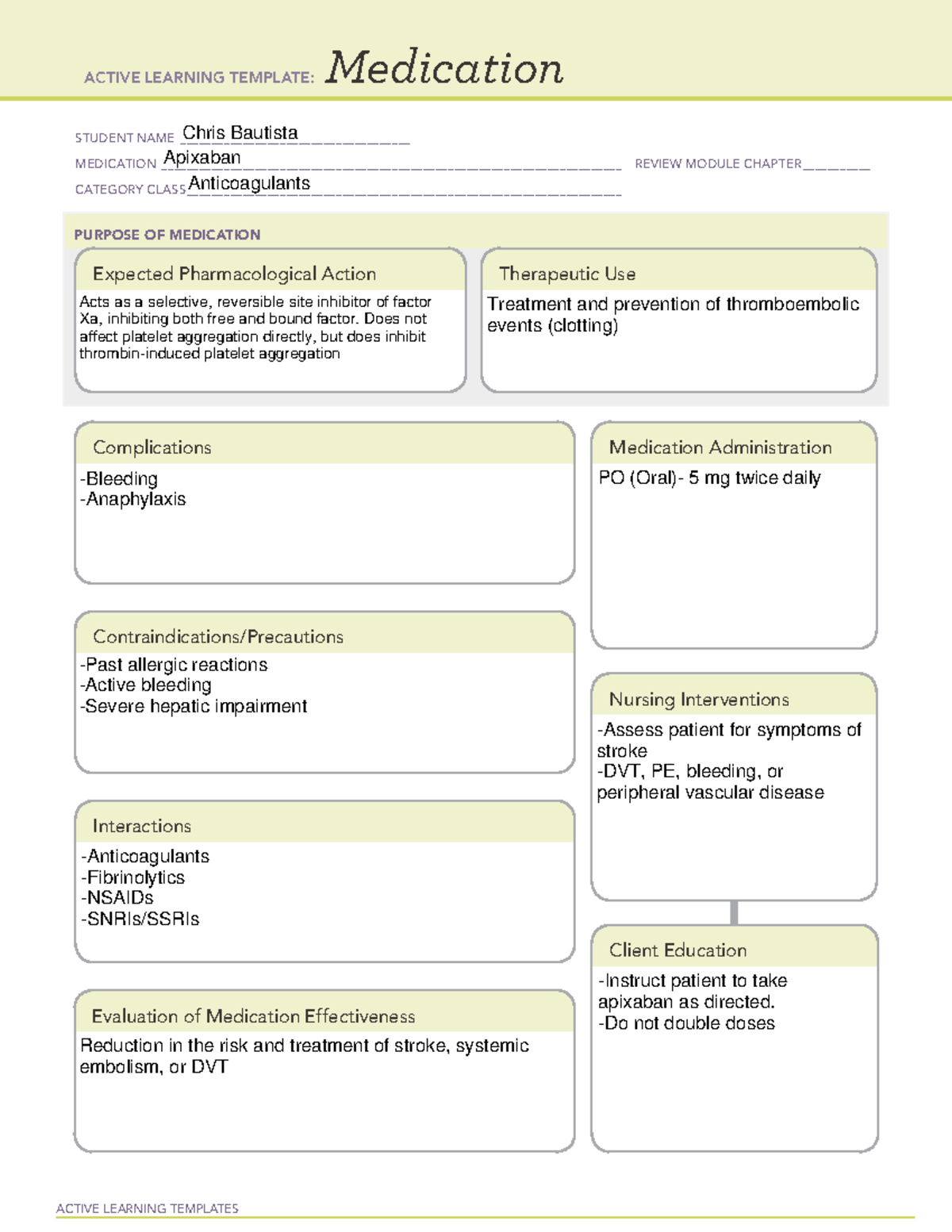
Apixaban Important information to know about this medication ACTIVE
Apixaban Eliquis Monograph PDF Medical Treatments Pharmaceutical
APIXABAN Drug Study Format PDF Medical Specialties Clinical Medicine
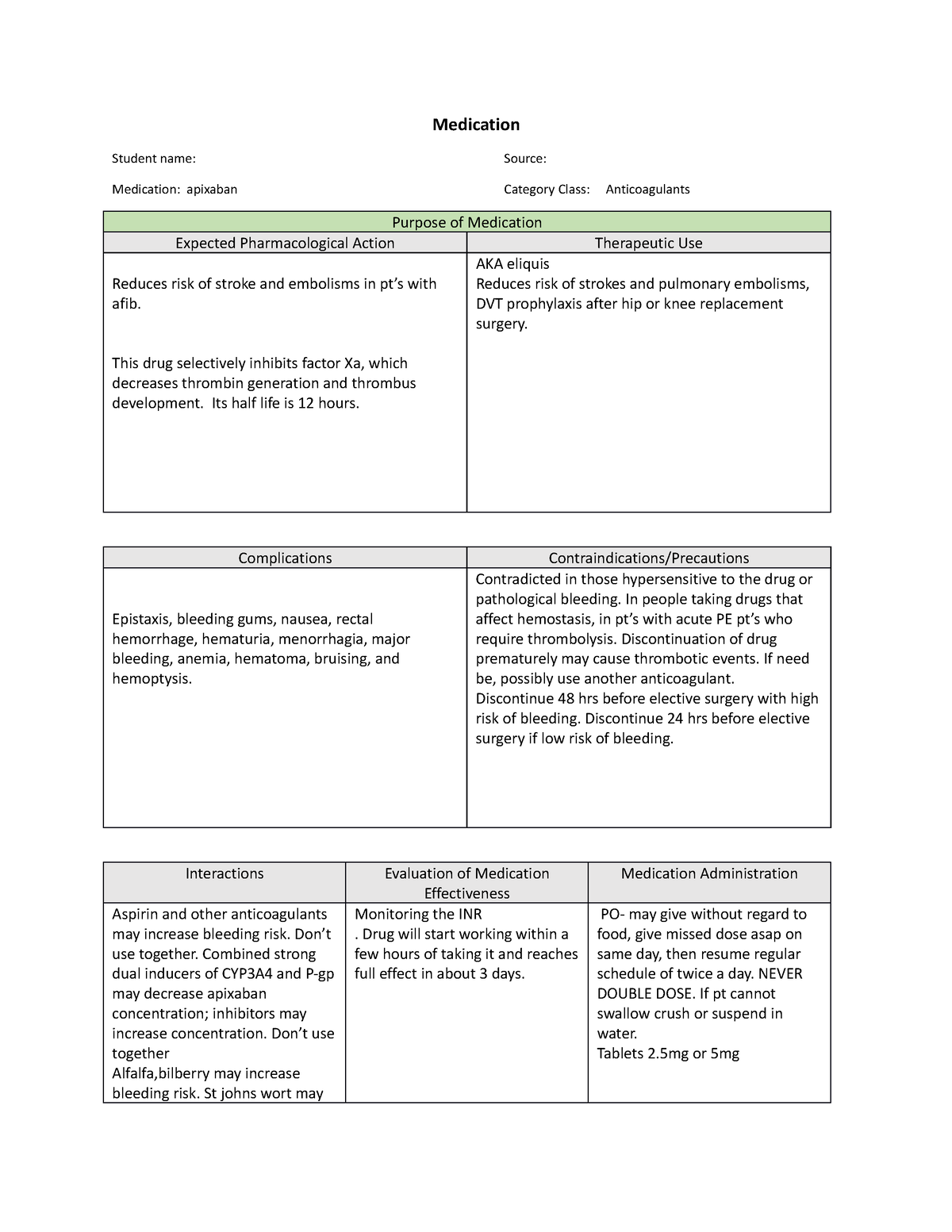
Apixaban template Medication Student name Medication apixaban
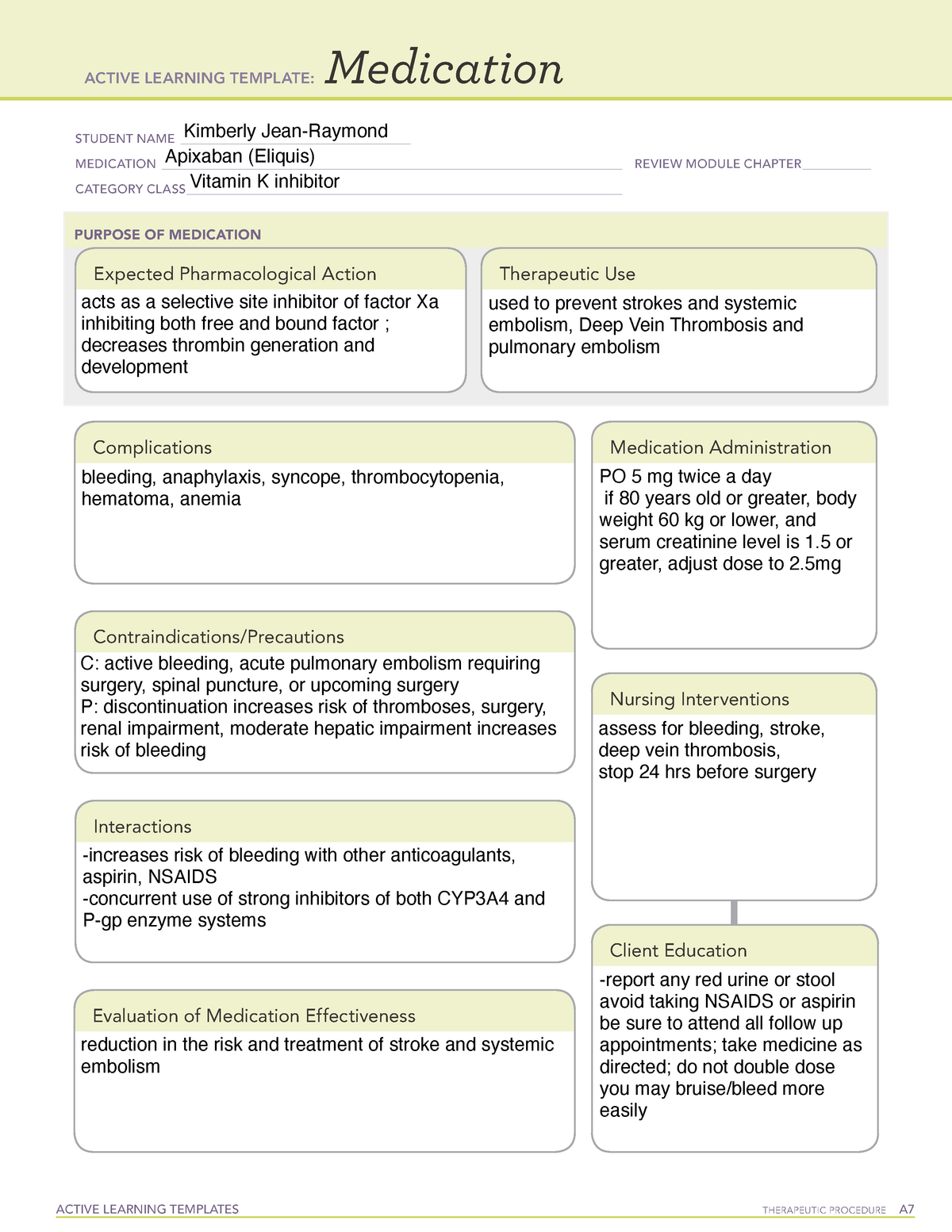
Apixaban Ati Medication Template
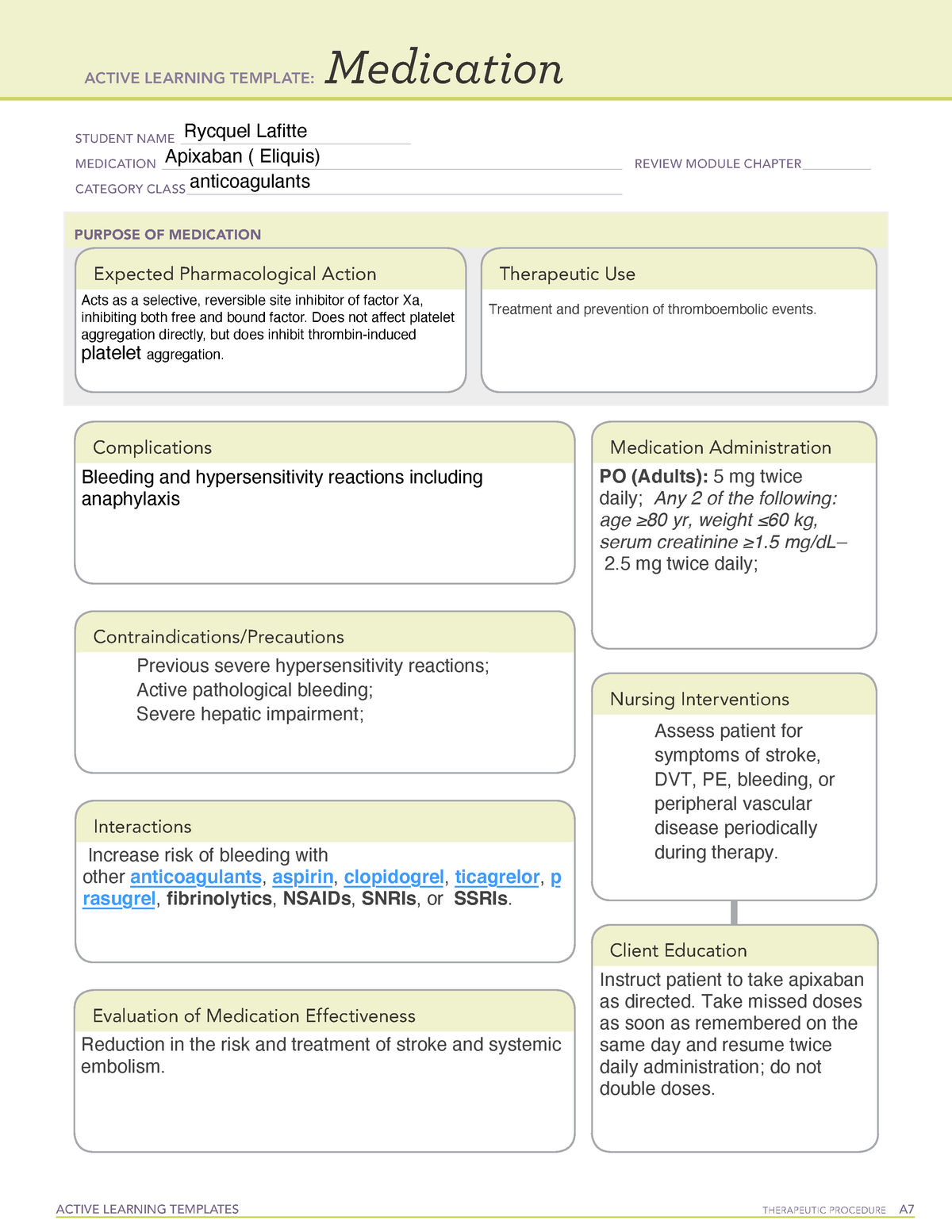
Apixaban Ati Medication Template
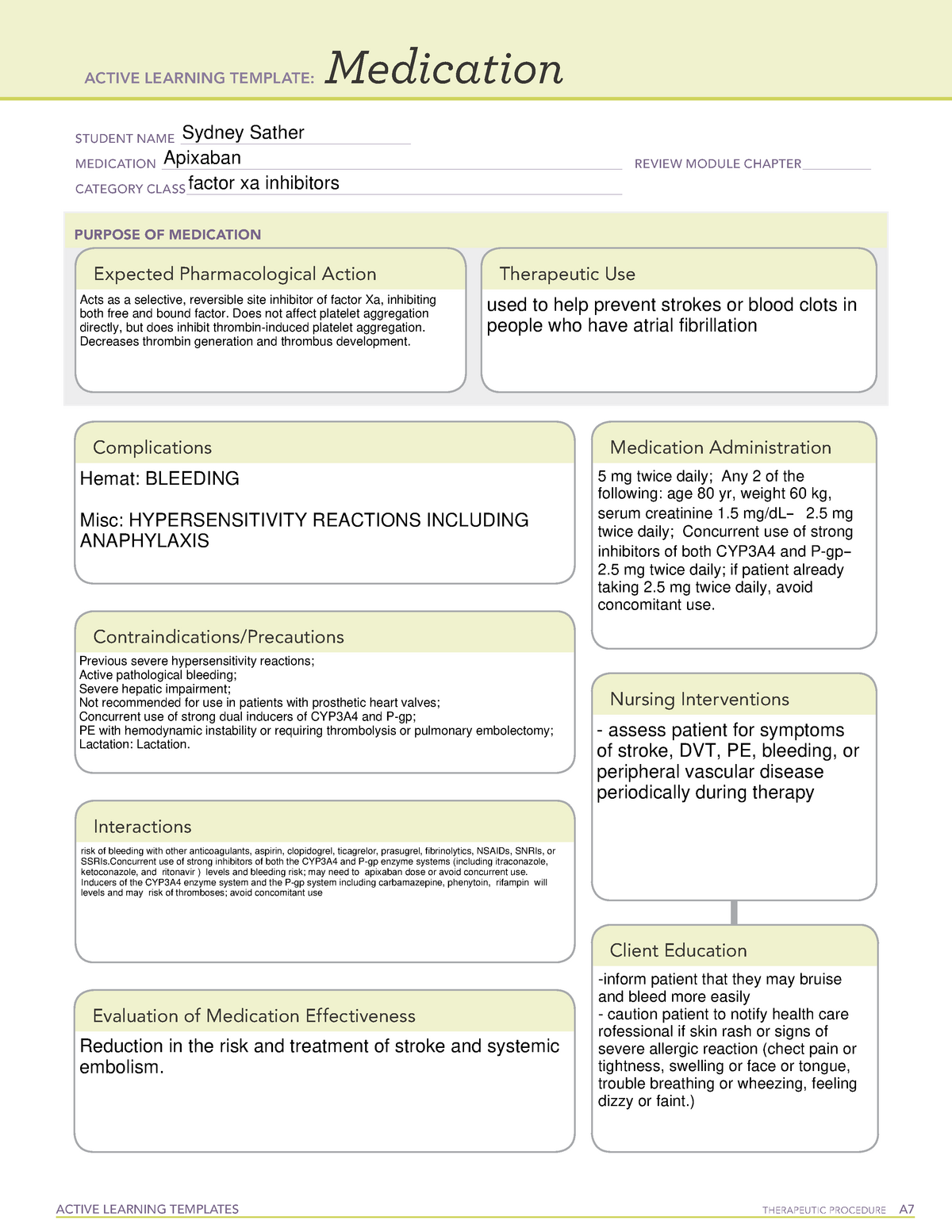
Apixaban template ACTIVE LEARNING TEMPLATES THERAPEUTIC PROCEDURE A
Apixaban Medication Template
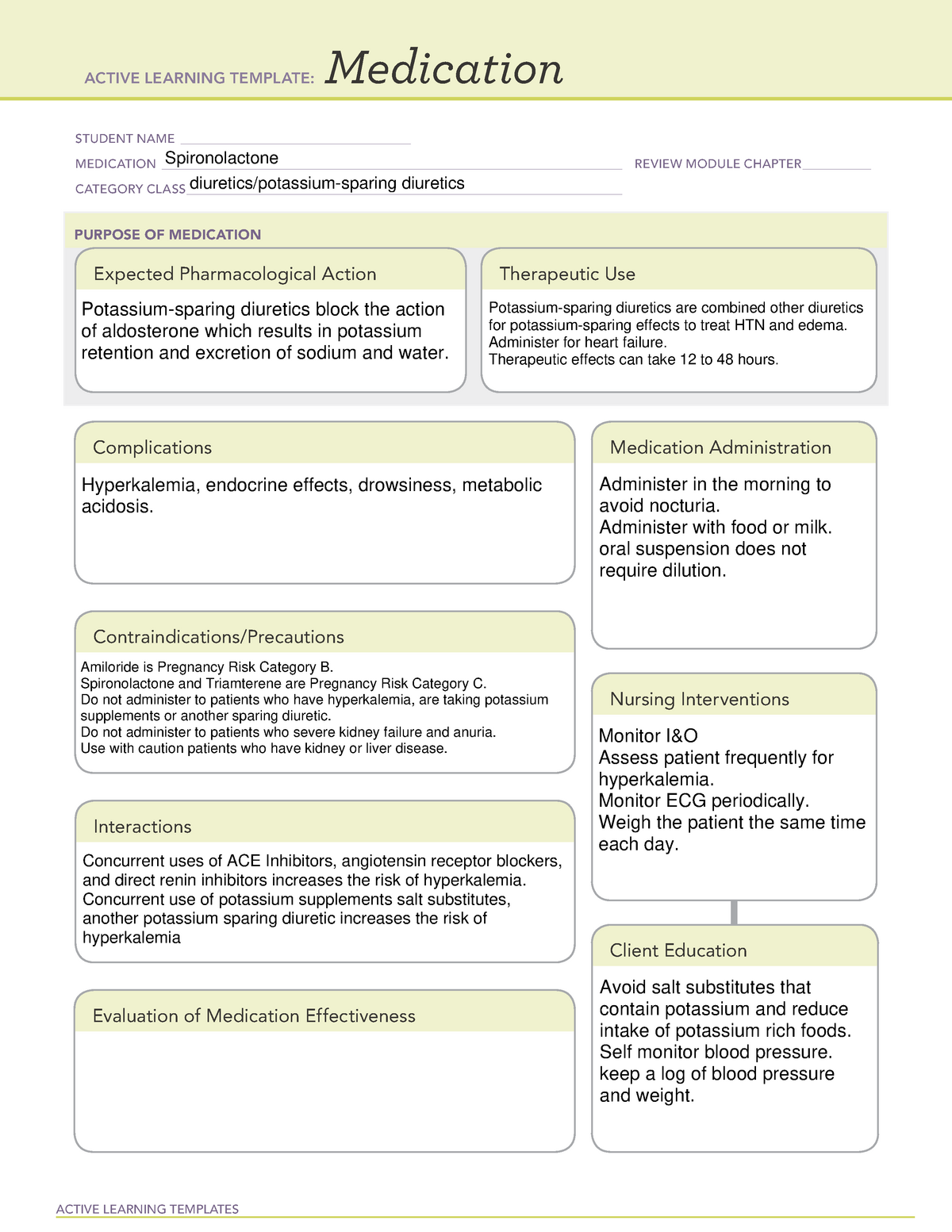
Apixaban Ati Medication Template
Apixaban Is A Prescription Blood Thinning Medication Used To Prevent Blood Clots In The Heart And Strokes In Patients With Atrial Fibrillation (Afib, Af), And To Prevent And Treat Deep Vein.
What Is Apixaban And How Does It Work?
People Who Have Atrial Fibrillation.
Apixaban Is Used To Lower The Risk Of Stroke Caused By A Blood Clot In People With A Heart Rhythm Disorder Called Atrial Fibrillation.
Related Post: