
Character Profile Templates
Character Profile Templates - Character 和 characteristic 和有什么不一样? character 和 characteristic 和有什么不一样? letter 和 character 和有什么不一样? character 和 characteristic 和有什么不一样? what is the. Why the meaning of this kanji 姦 is noisy and is linked with the kanji of woman 女? The first is an uppercase ‘i,’ the second is a lowercase ‘l.’ the ‘i’ is just a little bit smaller, if your format is the same as. Character can also describe someone's personality.|like @dlopow said, charactor is a misspelling of the word character. there are two separate definitions that are. The phrase '至少包含一個特殊字符' in simplified chinese (china) translates to must contain at least one special character in english. Here are examples illustrating the difference: Technically, naïve is more correct, because that is how it was originally written in french, from which we borrowed the word. This phrase is commonly used in the context of setting. Why too the meaning of these kanji is to commit adultery, wicked, mischief, seduce, rape? Look at these two : Character can also describe someone's personality.|like @dlopow said, charactor is a misspelling of the word character. there are two separate definitions that are. In online format, the difference is very small. Why too the meaning of these kanji is to commit adultery, wicked, mischief, seduce, rape? The phrase '至少包含一個特殊字符' in simplified chinese (china) translates to must contain at least one special character in english. The first is an uppercase ‘i,’ the second is a lowercase ‘l.’ the ‘i’ is just a little bit smaller, if your format is the same as. Character 和 characteristic 和有什么不一样? character 和 characteristic 和有什么不一样? letter 和 character 和有什么不一样? character 和 characteristic 和有什么不一样? what is the. They are exactly the same. Here are examples illustrating the difference: Technically, naïve is more correct, because that is how it was originally written in french, from which we borrowed the word. Hello, i am very very curious about something. This phrase is commonly used in the context of setting. Look at these two : Character 和 characteristic 和有什么不一样? character 和 characteristic 和有什么不一样? letter 和 character 和有什么不一样? character 和 characteristic 和有什么不一样? what is the. The first is an uppercase ‘i,’ the second is a lowercase ‘l.’ the ‘i’ is just a little bit smaller, if your format is the same. Here are examples illustrating the difference: Hello, i am very very curious about something. Why too the meaning of these kanji is to commit adultery, wicked, mischief, seduce, rape? In online format, the difference is very small. Character 和 characteristic 和有什么不一样? character 和 characteristic 和有什么不一样? letter 和 character 和有什么不一样? character 和 characteristic 和有什么不一样? what is the. Character 和 characteristic 和有什么不一样? character 和 characteristic 和有什么不一样? letter 和 character 和有什么不一样? character 和 characteristic 和有什么不一样? what is the. Technically, naïve is more correct, because that is how it was originally written in french, from which we borrowed the word. In online format, the difference is very small. This phrase is commonly used in the context of setting. Why the. Character 和 characteristic 和有什么不一样? character 和 characteristic 和有什么不一样? letter 和 character 和有什么不一样? character 和 characteristic 和有什么不一样? what is the. Why the meaning of this kanji 姦 is noisy and is linked with the kanji of woman 女? Here are examples illustrating the difference: The first is an uppercase ‘i,’ the second is a lowercase ‘l.’ the ‘i’ is just a. Character can also describe someone's personality.|like @dlopow said, charactor is a misspelling of the word character. there are two separate definitions that are. Look at these two : They are exactly the same. Why too the meaning of these kanji is to commit adultery, wicked, mischief, seduce, rape? Hello, i am very very curious about something. The phrase '至少包含一個特殊字符' in simplified chinese (china) translates to must contain at least one special character in english. They are exactly the same. Hello, i am very very curious about something. Look at these two : Here are examples illustrating the difference: They are exactly the same. Why too the meaning of these kanji is to commit adultery, wicked, mischief, seduce, rape? Why the meaning of this kanji 姦 is noisy and is linked with the kanji of woman 女? This phrase is commonly used in the context of setting. Here are examples illustrating the difference: Why too the meaning of these kanji is to commit adultery, wicked, mischief, seduce, rape? This phrase is commonly used in the context of setting. Character 和 characteristic 和有什么不一样? character 和 characteristic 和有什么不一样? letter 和 character 和有什么不一样? character 和 characteristic 和有什么不一样? what is the. They are exactly the same. Look at these two : In online format, the difference is very small. Character 和 characteristic 和有什么不一样? character 和 characteristic 和有什么不一样? letter 和 character 和有什么不一样? character 和 characteristic 和有什么不一样? what is the. Look at these two : This phrase is commonly used in the context of setting. They are exactly the same. Look at these two : Why too the meaning of these kanji is to commit adultery, wicked, mischief, seduce, rape? The first is an uppercase ‘i,’ the second is a lowercase ‘l.’ the ‘i’ is just a little bit smaller, if your format is the same as. Why the meaning of this kanji 姦 is noisy and is linked with. The phrase '至少包含一個特殊字符' in simplified chinese (china) translates to must contain at least one special character in english. Why too the meaning of these kanji is to commit adultery, wicked, mischief, seduce, rape? Character can also describe someone's personality.|like @dlopow said, charactor is a misspelling of the word character. there are two separate definitions that are. Look at these two : Character 和 characteristic 和有什么不一样? character 和 characteristic 和有什么不一样? letter 和 character 和有什么不一样? character 和 characteristic 和有什么不一样? what is the. Why the meaning of this kanji 姦 is noisy and is linked with the kanji of woman 女? Here are examples illustrating the difference: This phrase is commonly used in the context of setting. Technically, naïve is more correct, because that is how it was originally written in french, from which we borrowed the word. They are exactly the same.
What are Character Traits — Examples & How to Write Them
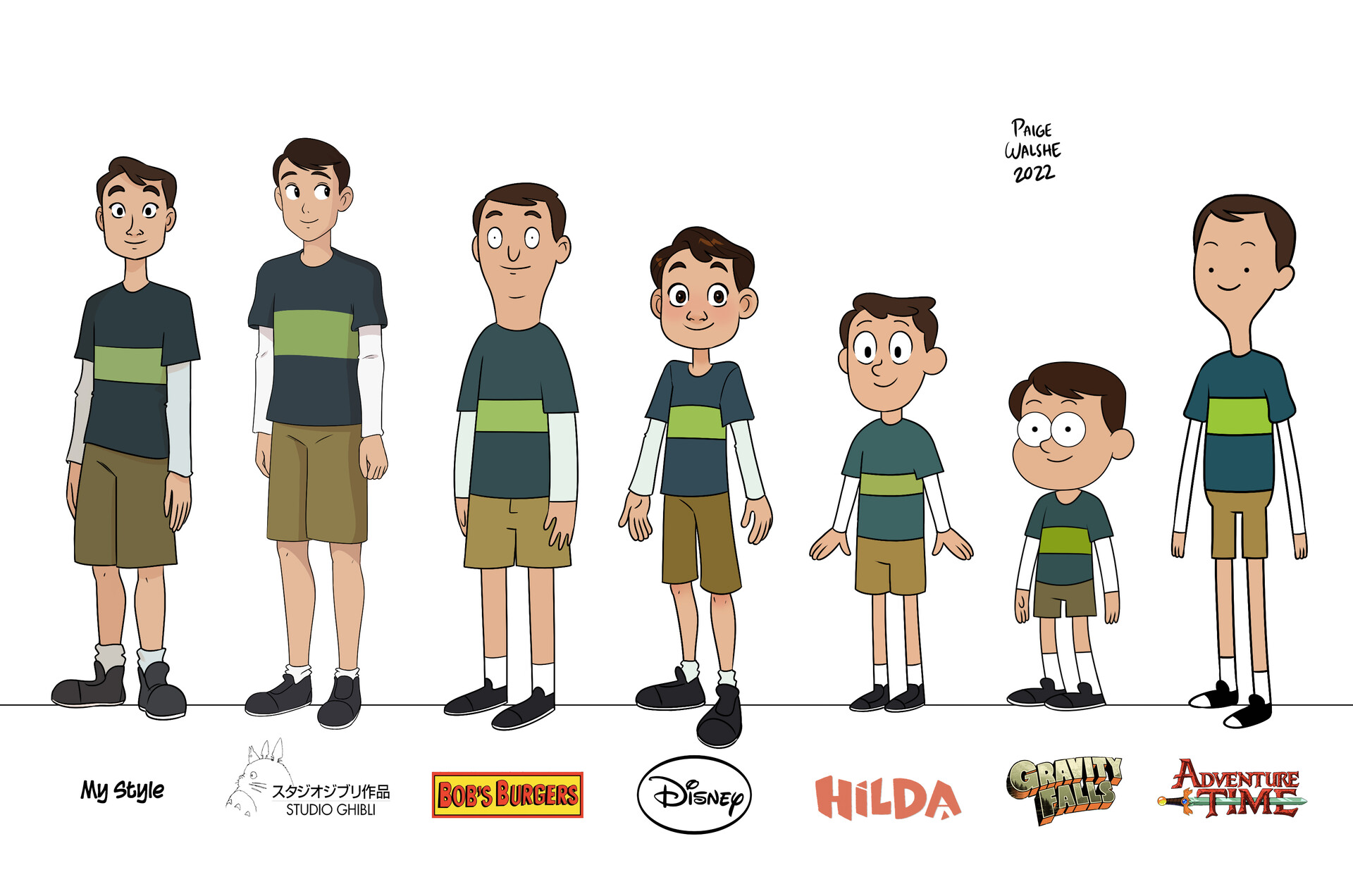
ArtStation Character Styles

an image of cartoon characters and their personality

100 Modern Character Design Sheets You Need To See! Cartoon character
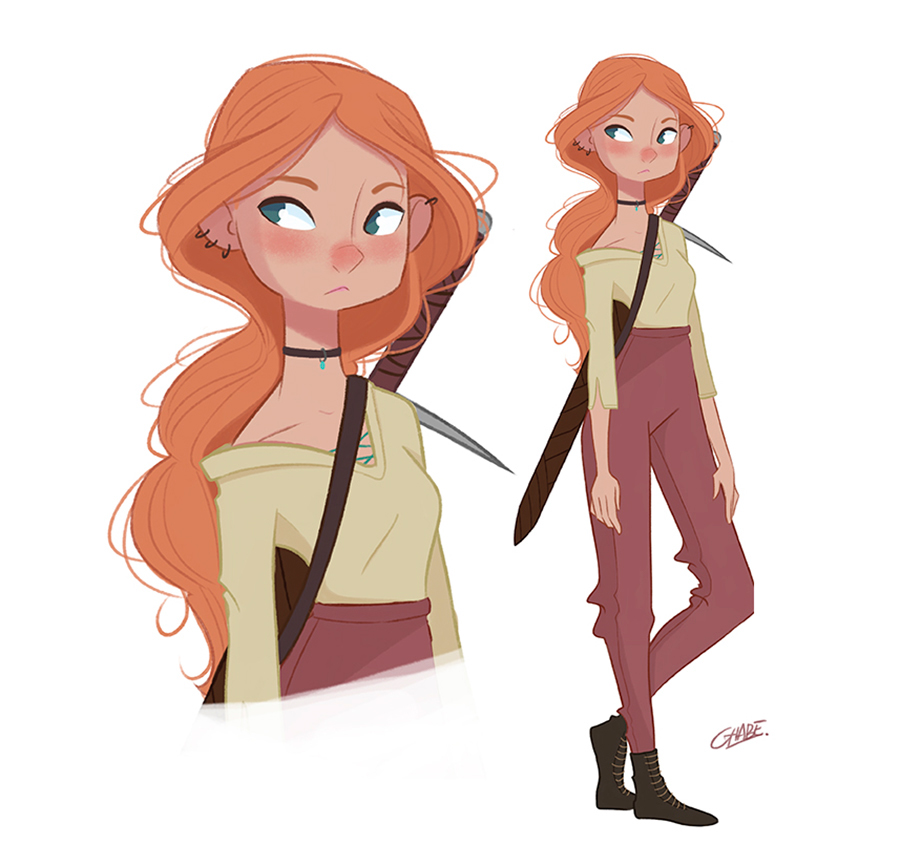
Character definition and meaning with pictures Picture Dictionary

Premium Photo Anime character concept art
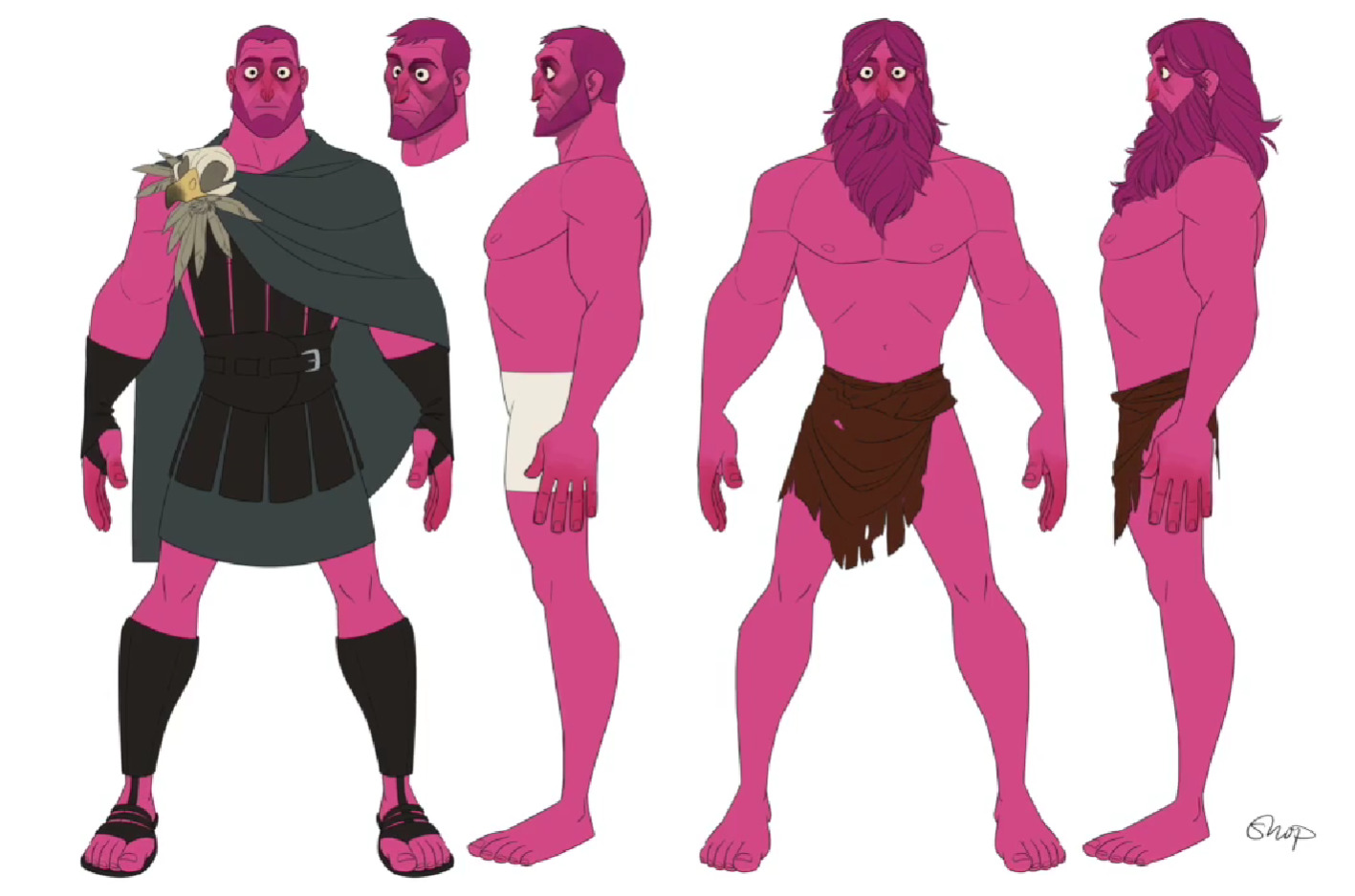
How to Make a Character Design Sheet 21 Draw
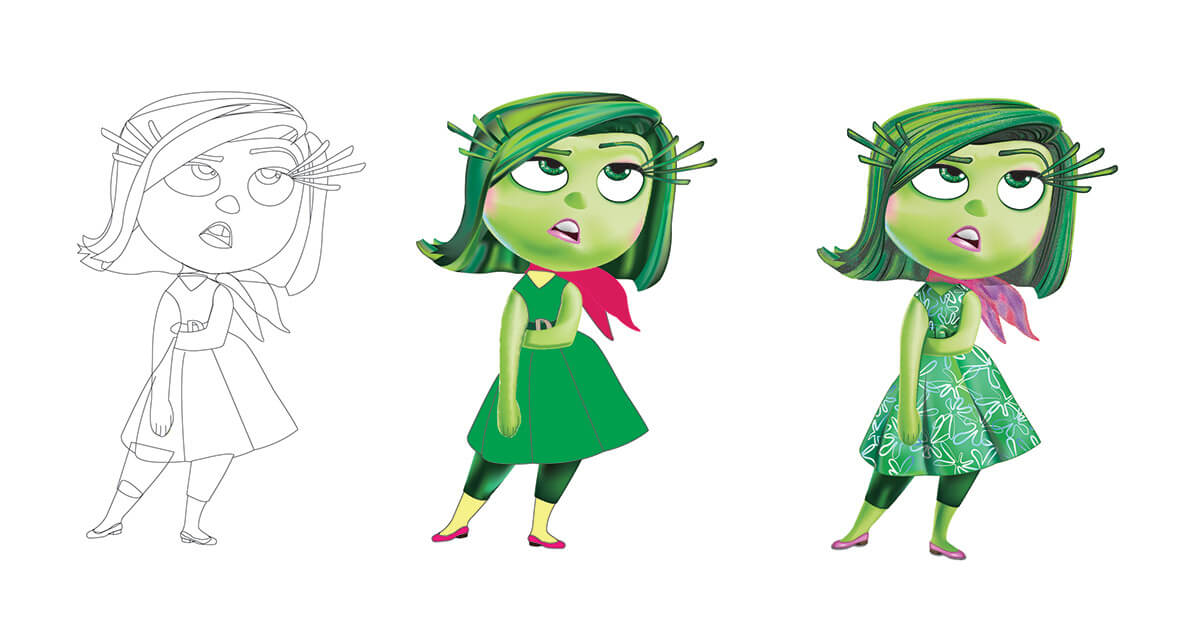
What is Character Design — Tips on Creating Iconic Characters
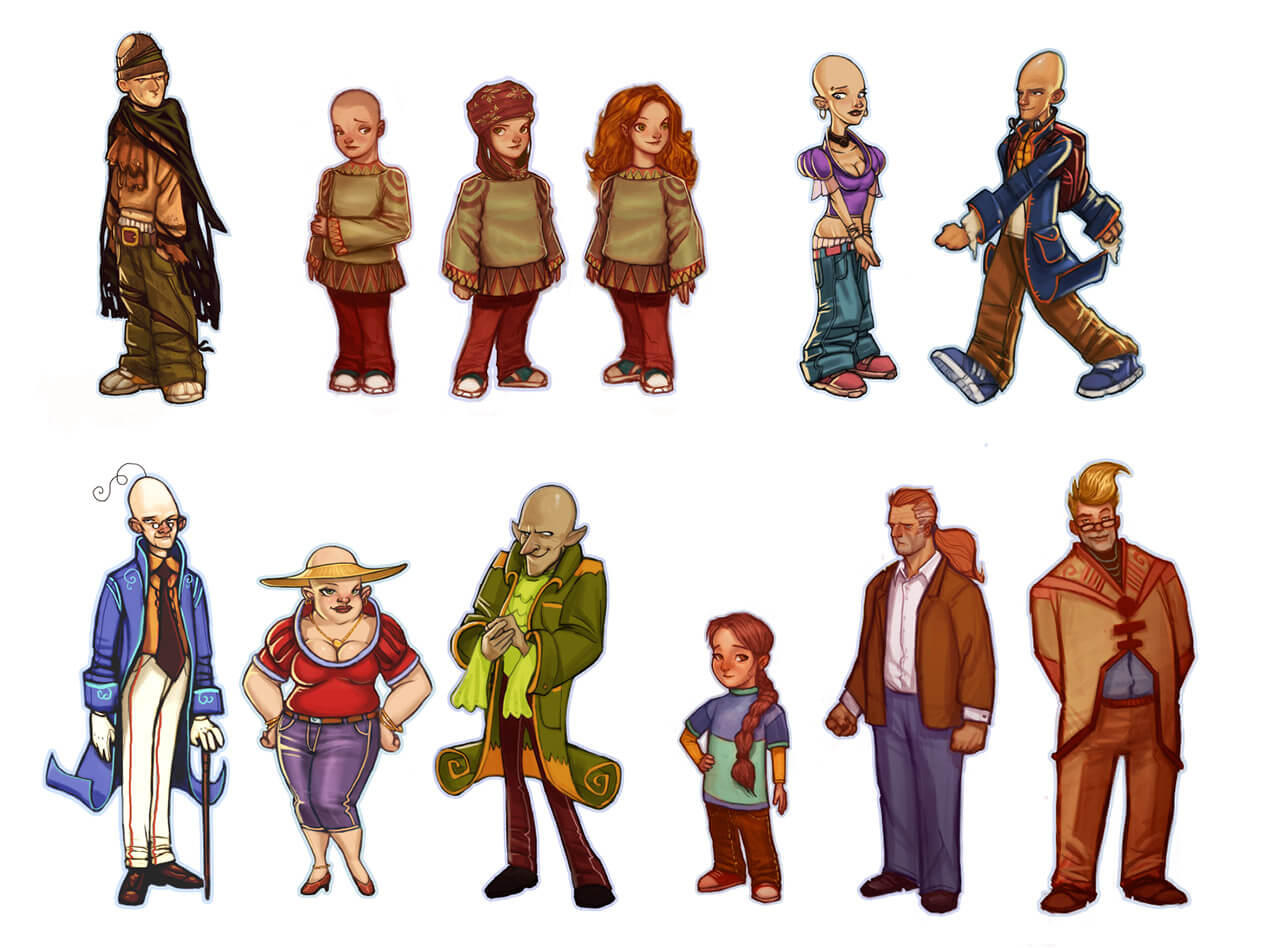
Character Photo
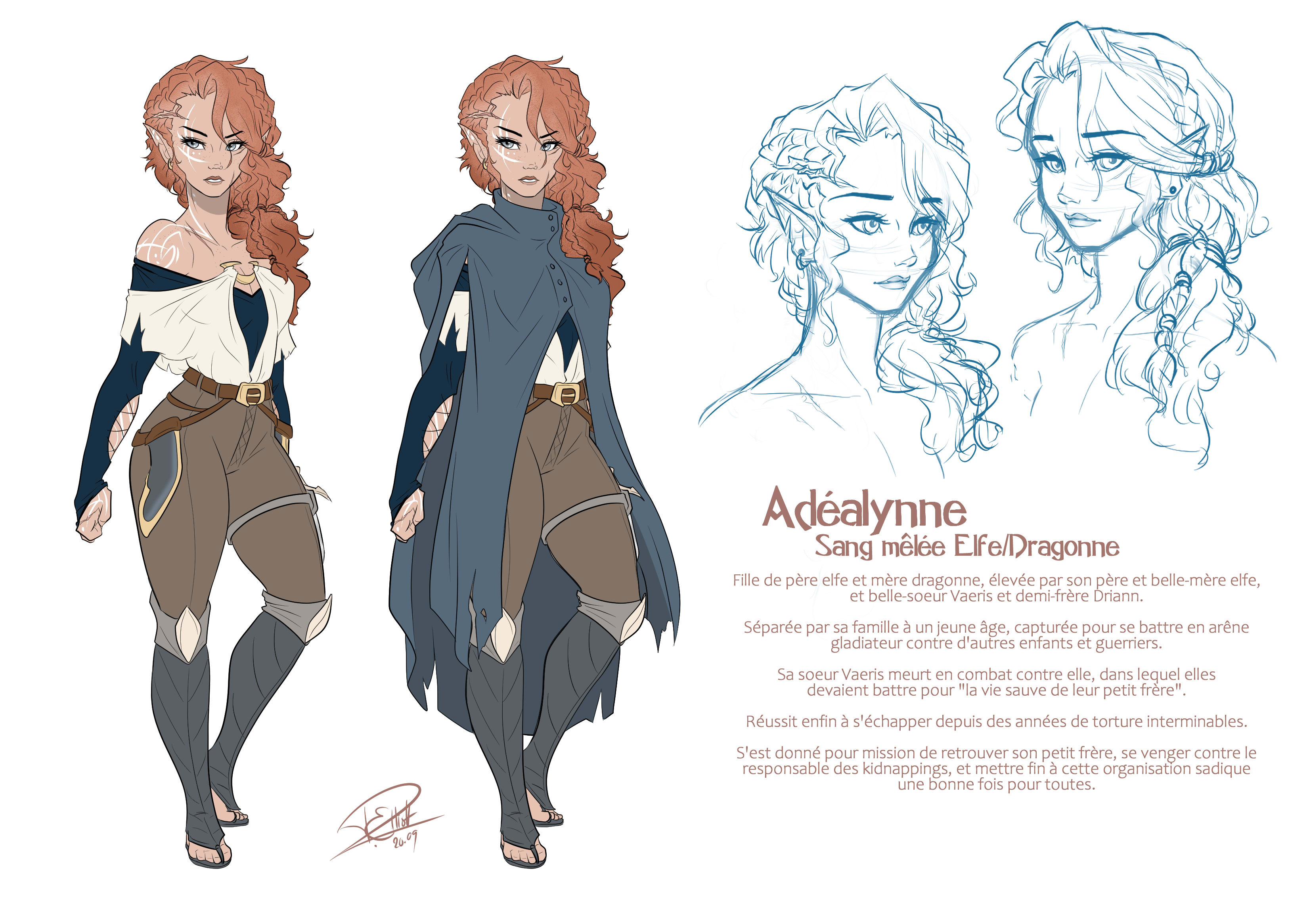
Artstation Character Concept Art For Moba Lupon Gov P vrogue.co
In Online Format, The Difference Is Very Small.
Hello, I Am Very Very Curious About Something.
The First Is An Uppercase ‘I,’ The Second Is A Lowercase ‘L.’ The ‘I’ Is Just A Little Bit Smaller, If Your Format Is The Same As.
Related Post: