
Infection Au Template
Infection Au Template - The four main types of infections are viral, bacterial, fungal, and parasitic. Treatment depends on the type of infection. Infections occurs when harmful microorganisms like bacteria, virus, fungi or parasites invade the body, causing symptoms and sickness. Infection occurs when germs enter your body and multiply, resulting in disease. Learn more about infection, its. Infection occurs when viruses, bacteria, or other microbes enter your body and begin to multiply. According to who, an infection is the invasion and multiplication of harmful microorganisms, such as bacteria, viruses, or parasites, within a host organism. An infection is when microorganisms (germs) invade part of your body and make you sick. An infection is the invasion of tissues by pathogens, their multiplication, and the reaction of host tissues to the infectious agent and the toxins they produce. Disease, which typically happens in a small proportion of infected people, occurs when the. An infection is the invasion of tissues by pathogens, their multiplication, and the reaction of host tissues to the infectious agent and the toxins they produce. Disease, which typically happens in a small proportion of infected people, occurs when the. Learn more about infection, its. The organisms that cause infections are many and include things like. Treatment depends on the type of infection. The four main types of infections are viral, bacterial, fungal, and parasitic. Infection is a result of a microorganism (also called a pathogen) entering the body and causing harm. Infection occurs when germs enter your body and multiply, resulting in disease. The most common causes are viruses, bacteria, fungi and parasites. Infections occurs when harmful microorganisms like bacteria, virus, fungi or parasites invade the body, causing symptoms and sickness. Infectious diseases are illnesses caused by harmful germs (pathogens) that get into your body. Infection occurs when germs enter your body and multiply, resulting in disease. Learn more about infection, its. The severity can range from mild to fatal. The organisms that cause infections are many and include things like. Infection is a result of a microorganism (also called a pathogen) entering the body and causing harm. An infection is when microorganisms (germs) invade part of your body and make you sick. Infectious diseases are illnesses caused by harmful germs (pathogens) that get into your body. Disease, which typically happens in a small proportion of infected people, occurs when the.. The organisms that cause infections are many and include things like. The severity can range from mild to fatal. Learn more about infection, its. Signs of bacterial infection depend on what type of infection you have, but can include fever, swollen lymph nodes, and fatigue. Infection is a result of a microorganism (also called a pathogen) entering the body and. Microoganisms are tiny living creatures that are so. Signs of bacterial infection depend on what type of infection you have, but can include fever, swollen lymph nodes, and fatigue. The organisms that cause infections are many and include things like. Learn more about infection, its. Infectious diseases are illnesses caused by harmful germs (pathogens) that get into your body. Treatment depends on the type of infection. The organisms that cause infections are many and include things like. The most common causes are viruses, bacteria, fungi and parasites. The severity can range from mild to fatal. An infection is the invasion of tissues by pathogens, their multiplication, and the reaction of host tissues to the infectious agent and the toxins. According to who, an infection is the invasion and multiplication of harmful microorganisms, such as bacteria, viruses, or parasites, within a host organism. Infections occurs when harmful microorganisms like bacteria, virus, fungi or parasites invade the body, causing symptoms and sickness. Learn more about infection, its. Infection is a result of a microorganism (also called a pathogen) entering the body. An infection is the invasion of tissues by pathogens, their multiplication, and the reaction of host tissues to the infectious agent and the toxins they produce. Infection occurs when germs enter your body and multiply, resulting in disease. Infectious diseases are illnesses caused by harmful germs (pathogens) that get into your body. Disease, which typically happens in a small proportion. Infection is a result of a microorganism (also called a pathogen) entering the body and causing harm. Infection refers to an invasion of the body by harmful microorganisms or parasites. The most common causes are viruses, bacteria, fungi and parasites. The severity can range from mild to fatal. Infectious diseases are illnesses caused by harmful germs (pathogens) that get into. An infection is the invasion of tissues by pathogens, their multiplication, and the reaction of host tissues to the infectious agent and the toxins they produce. Learn more about infection, its. Infection occurs when germs enter your body and multiply, resulting in disease. The four main types of infections are viral, bacterial, fungal, and parasitic. The most common causes are. Infectious diseases are illnesses caused by harmful germs (pathogens) that get into your body. According to who, an infection is the invasion and multiplication of harmful microorganisms, such as bacteria, viruses, or parasites, within a host organism. An infection is when microorganisms (germs) invade part of your body and make you sick. Infection is a result of a microorganism (also. Infection refers to an invasion of the body by harmful microorganisms or parasites. Signs of bacterial infection depend on what type of infection you have, but can include fever, swollen lymph nodes, and fatigue. The four main types of infections are viral, bacterial, fungal, and parasitic. According to who, an infection is the invasion and multiplication of harmful microorganisms, such as bacteria, viruses, or parasites, within a host organism. Infection is a result of a microorganism (also called a pathogen) entering the body and causing harm. The most common causes are viruses, bacteria, fungi and parasites. The severity can range from mild to fatal. Infection occurs when viruses, bacteria, or other microbes enter your body and begin to multiply. Microoganisms are tiny living creatures that are so. The organisms that cause infections are many and include things like. Learn more about infection, its. An infection is the invasion of tissues by pathogens, their multiplication, and the reaction of host tissues to the infectious agent and the toxins they produce. Infection occurs when germs enter your body and multiply, resulting in disease. Disease, which typically happens in a small proportion of infected people, occurs when the.
The 4 Types of Infection Family First ER Emergency Clinic
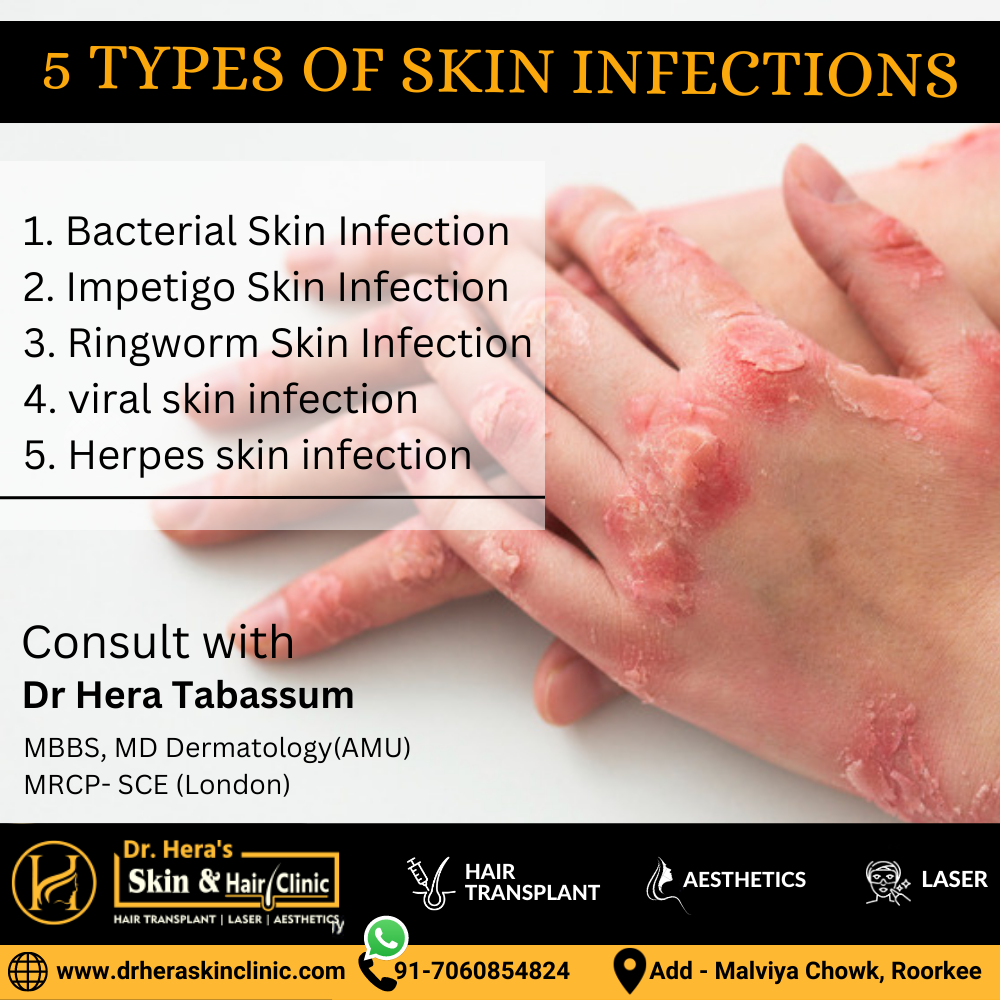
What are the 5 types of skin infections? Dermatologist in Roorkee
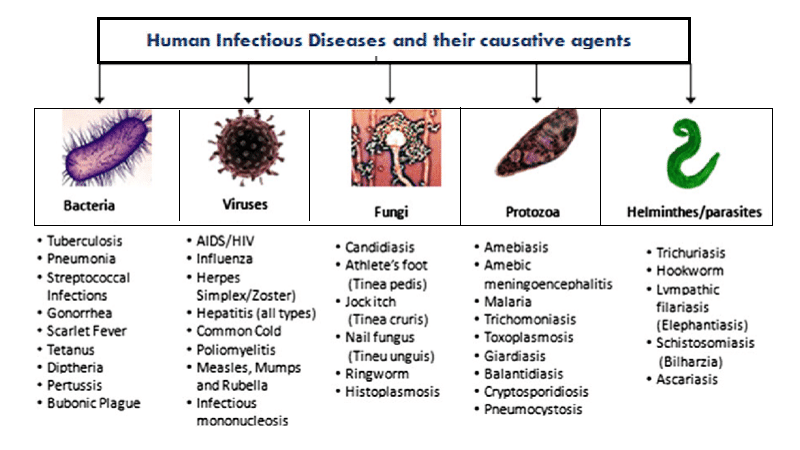
Infectious Diseases I Guide Medical Pocket Chart Quic vrogue.co

New Infectious Disease 2024 Lexis Opaline
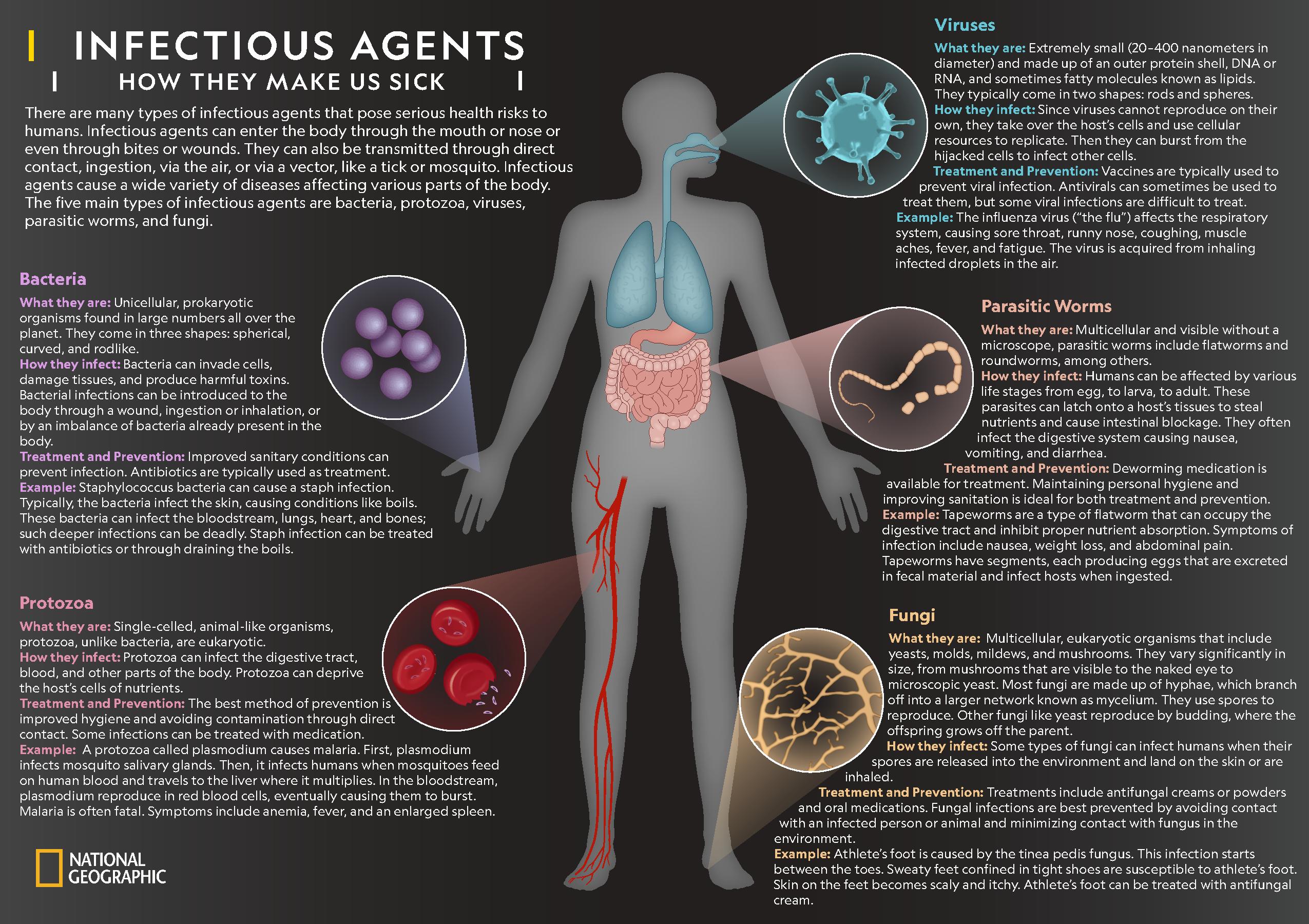
Infectious Agents

INFECTION.ppt
:max_bytes(150000):strip_icc()/what-is-a-bacterial-infection-7705652_final-2f1b8b2429b2495c8333b584512d3afa.jpg)
Viral Infection Symptoms

Exposure and Transmission of Infectious Disease Microbiology Notes
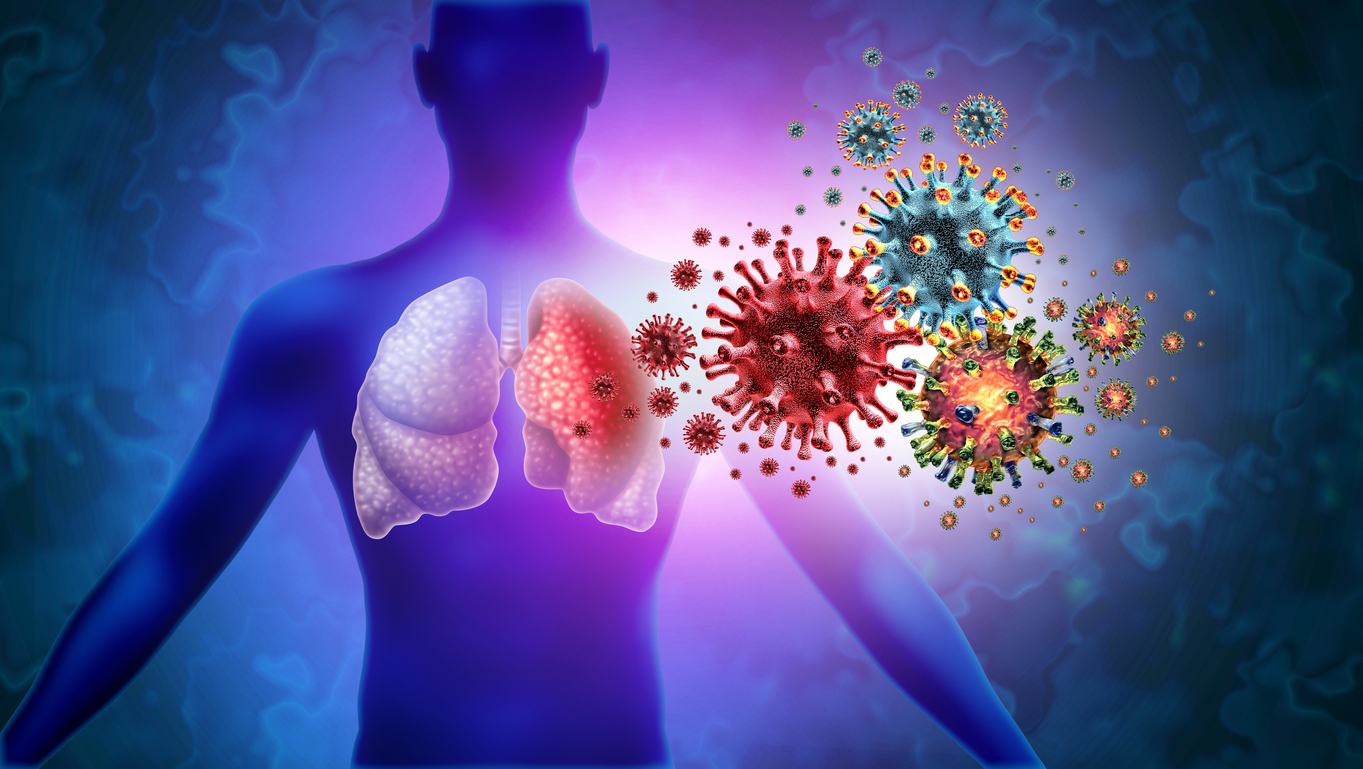
What's the Difference Between a Viral and a Bacterial Infection? WWMG
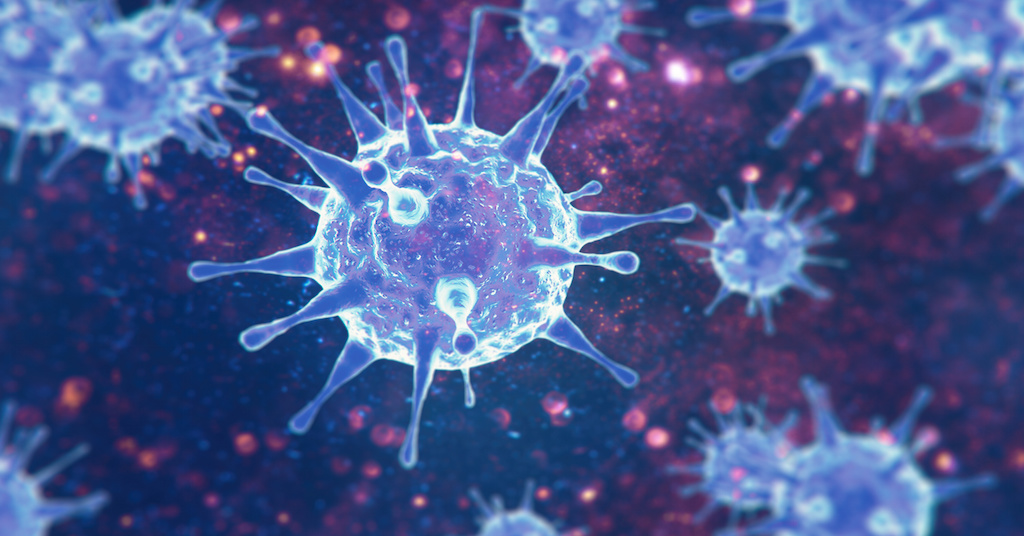
Bacterial Infection
Treatment Depends On The Type Of Infection.
Infections Occurs When Harmful Microorganisms Like Bacteria, Virus, Fungi Or Parasites Invade The Body, Causing Symptoms And Sickness.
Infectious Diseases Are Illnesses Caused By Harmful Germs (Pathogens) That Get Into Your Body.
An Infection Is When Microorganisms (Germs) Invade Part Of Your Body And Make You Sick.
Related Post: