
Masking Template
Masking Template - Autistic masking, also known as camouflaging, is a coping strategy used by autistic individuals to navigate social situations and fit in with neurotypical expectations. The aim is to cover up traits you think might be judged as “flaws,” so you. Masking refers to the process of concealing or suppressing one’s natural behaviors, emotions, or traits in order to fit in or meet societal expectations. Masking is the act of hiding one's authentic self, thoughts, or emotions by altering behavior, speech, or appearance to fit societal or situational expectations. While this strategy can help them get by at school, work and in social situations, it can. In psychology and sociology, masking, also known as social camouflaging, is a defensive behavior in which an individual conceals their natural personality or behavior in response to. Masking is when you change how you act or speak to hide your true personality or natural tendencies. Masking is a way of presenting yourself to hide your flaws or look more capable. Masking, also called camouflaging or compensating, is when individuals repress or hide signs of a mental health condition to blend in or adapt to the neurotypical world. The costs of camouflaging your true personality and emotions can add up. Masking refers to the process of concealing or suppressing one’s natural behaviors, emotions, or traits in order to fit in or meet societal expectations. Masking, sometimes referred to as “camouflaging,” occurs when someone attempts to hide their mental health symptoms in an effort to blend in with people. Autistic people may mask to blend in with a neurotypical society. While this strategy can help them get by at school, work and in social situations, it can. Masking is the act of hiding one's authentic self, thoughts, or emotions by altering behavior, speech, or appearance to fit societal or situational expectations. In psychology and sociology, masking, also known as social camouflaging, is a defensive behavior in which an individual conceals their natural personality or behavior in response to. The aim is to cover up traits you think might be judged as “flaws,” so you. Masking is a way of presenting yourself to hide your flaws or look more capable. Masking, also called camouflaging or compensating, is when individuals repress or hide signs of a mental health condition to blend in or adapt to the neurotypical world. Autistic masking, also known as camouflaging, is a coping strategy used by autistic individuals to navigate social situations and fit in with neurotypical expectations. Masking is a way of presenting yourself to hide your flaws or look more capable. Masking refers to hiding your authentic self in an effort to gain greater social acceptance. Autistic masking, also known as camouflaging, is a coping strategy used by autistic individuals to navigate social situations and fit in with neurotypical expectations. Masking, also called camouflaging or compensating,. Masking refers to hiding your authentic self in an effort to gain greater social acceptance. Autistic people may mask to blend in with a neurotypical society. Masking, also called camouflaging or compensating, is when individuals repress or hide signs of a mental health condition to blend in or adapt to the neurotypical world. Masking is a way of presenting yourself. Masking is the act of hiding one's authentic self, thoughts, or emotions by altering behavior, speech, or appearance to fit societal or situational expectations. The costs of camouflaging your true personality and emotions can add up. In psychology and sociology, masking, also known as social camouflaging, is a defensive behavior in which an individual conceals their natural personality or behavior. Masking is a way of presenting yourself to hide your flaws or look more capable. Masking refers to hiding your authentic self in an effort to gain greater social acceptance. Masking refers to the process of concealing or suppressing one’s natural behaviors, emotions, or traits in order to fit in or meet societal expectations. Autistic people may mask to blend. Masking, sometimes referred to as “camouflaging,” occurs when someone attempts to hide their mental health symptoms in an effort to blend in with people. In psychology and sociology, masking, also known as social camouflaging, is a defensive behavior in which an individual conceals their natural personality or behavior in response to. Masking refers to the process of concealing or suppressing. Autistic people may mask to blend in with a neurotypical society. Masking refers to hiding your authentic self in an effort to gain greater social acceptance. Masking is the act of hiding one's authentic self, thoughts, or emotions by altering behavior, speech, or appearance to fit societal or situational expectations. Masking, sometimes referred to as “camouflaging,” occurs when someone attempts. Masking is the act of hiding one's authentic self, thoughts, or emotions by altering behavior, speech, or appearance to fit societal or situational expectations. Autistic people may mask to blend in with a neurotypical society. Masking refers to hiding your authentic self in an effort to gain greater social acceptance. Masking is a way of presenting yourself to hide your. Masking refers to hiding your authentic self in an effort to gain greater social acceptance. Masking refers to the process of concealing or suppressing one’s natural behaviors, emotions, or traits in order to fit in or meet societal expectations. The aim is to cover up traits you think might be judged as “flaws,” so you. While this strategy can help. Masking refers to hiding your authentic self in an effort to gain greater social acceptance. Masking, also called camouflaging or compensating, is when individuals repress or hide signs of a mental health condition to blend in or adapt to the neurotypical world. Masking is a way of presenting yourself to hide your flaws or look more capable. In psychology and. Masking is when you change how you act or speak to hide your true personality or natural tendencies. While this strategy can help them get by at school, work and in social situations, it can. Autistic masking, also known as camouflaging, is a coping strategy used by autistic individuals to navigate social situations and fit in with neurotypical expectations. Masking. Masking refers to the process of concealing or suppressing one’s natural behaviors, emotions, or traits in order to fit in or meet societal expectations. Masking is when you change how you act or speak to hide your true personality or natural tendencies. Masking refers to hiding your authentic self in an effort to gain greater social acceptance. The costs of camouflaging your true personality and emotions can add up. Masking, sometimes referred to as “camouflaging,” occurs when someone attempts to hide their mental health symptoms in an effort to blend in with people. Masking, also called camouflaging or compensating, is when individuals repress or hide signs of a mental health condition to blend in or adapt to the neurotypical world. Autistic masking, also known as camouflaging, is a coping strategy used by autistic individuals to navigate social situations and fit in with neurotypical expectations. Masking is the act of hiding one's authentic self, thoughts, or emotions by altering behavior, speech, or appearance to fit societal or situational expectations. In psychology and sociology, masking, also known as social camouflaging, is a defensive behavior in which an individual conceals their natural personality or behavior in response to. Masking is a way of presenting yourself to hide your flaws or look more capable.
Primary and Secondary Emotions What's The Difference?
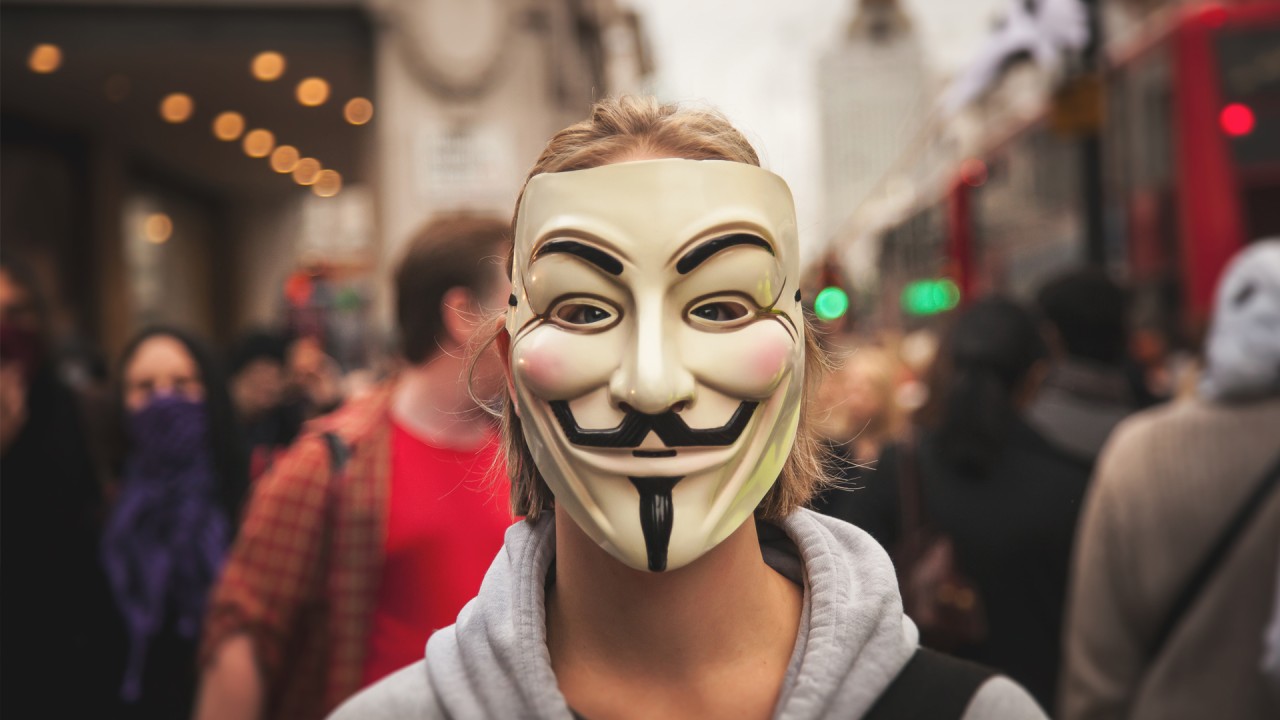
Masking Hiding in plain society Wales Mental Health and Wellbeing Forum
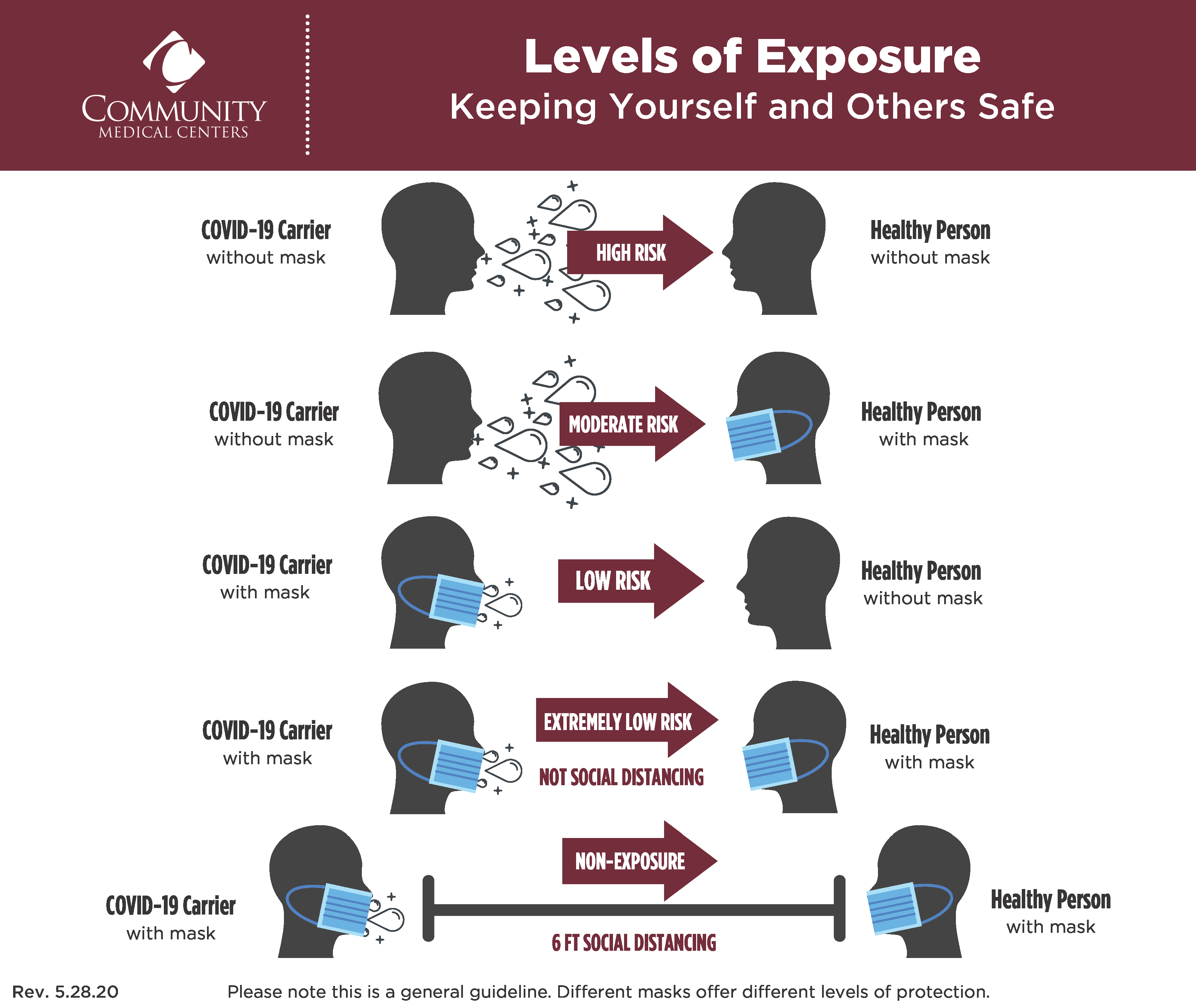
ExposureandMaskingInfographic_English_Page_1 Alabama Department of
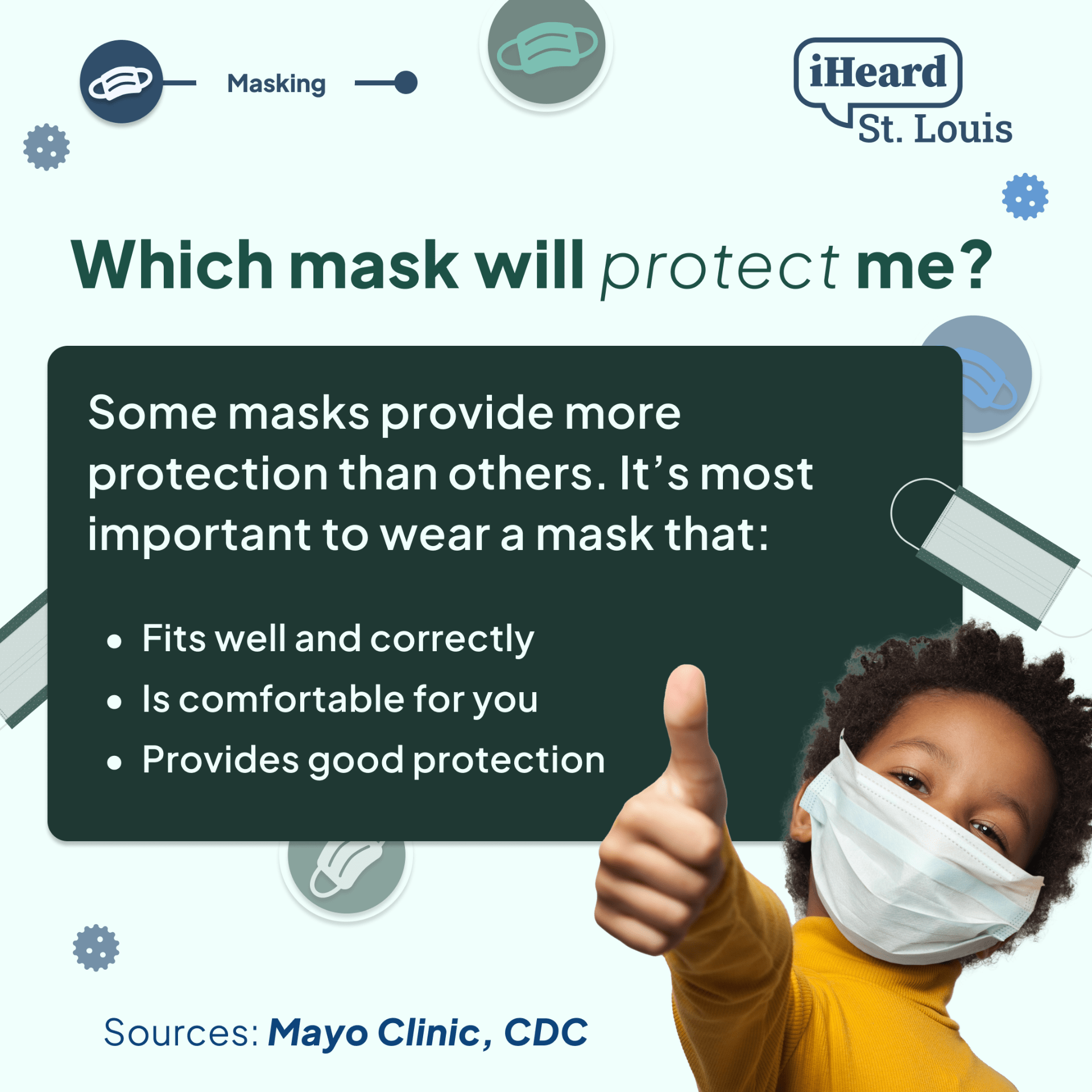
Masking Health Communication Research Laboratory Washington

Resources for Understanding Masking
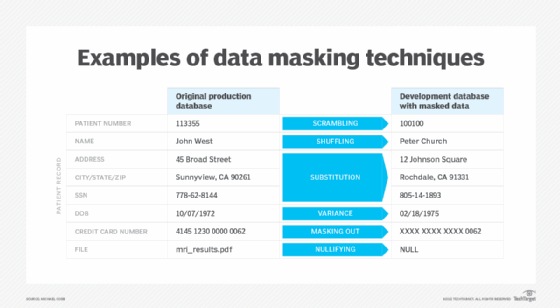
What is Data Masking? Techniques, Types and Best Practices TechTarget
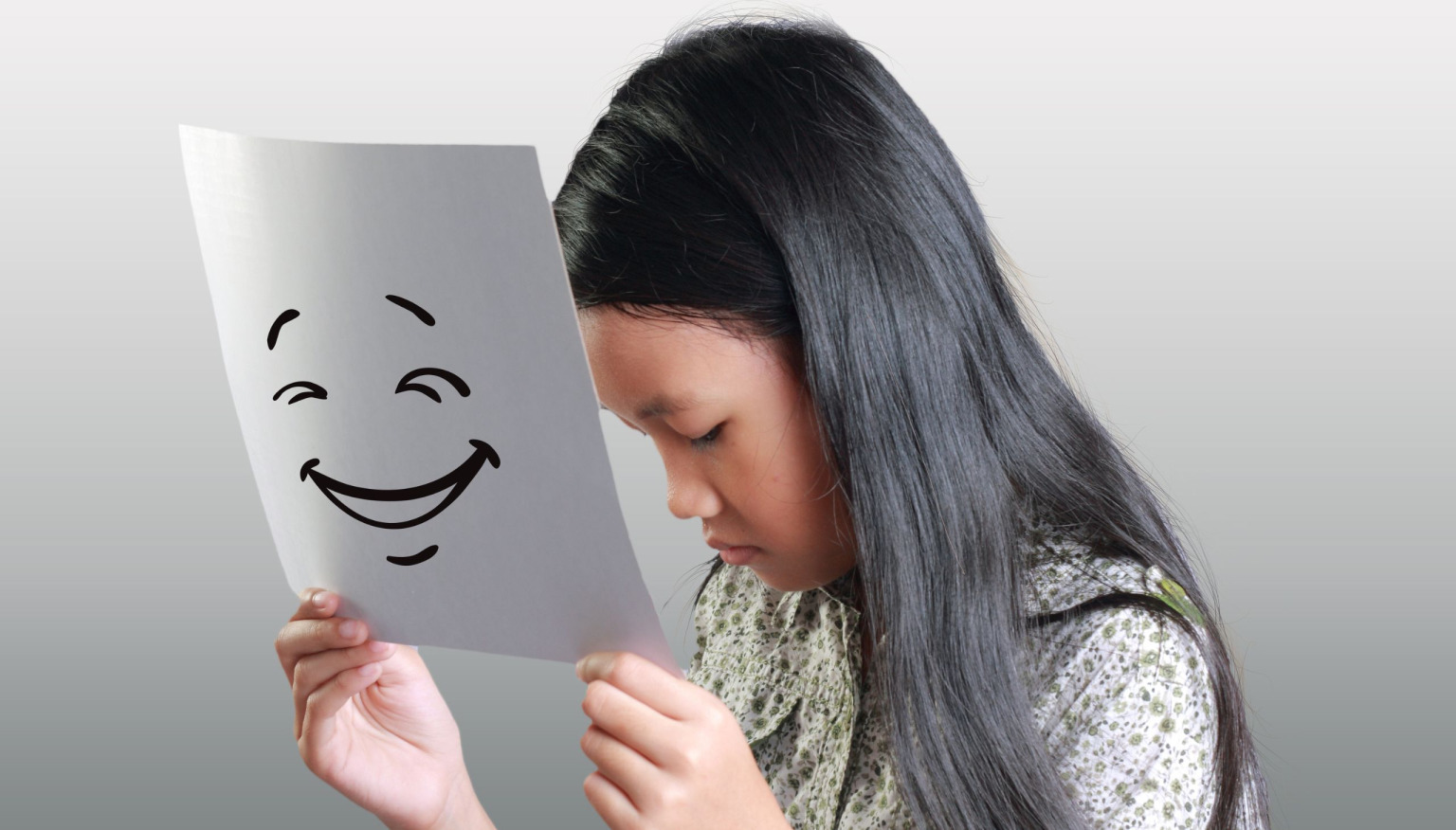
What is masking, what does it look like and how can it affect people

What is Autistic Masking? Definition & Overview And Next Comes L

Masking during the COVID19 pandemic An update of the evidence

Art of Masking Images A StepbyStep Guide
While This Strategy Can Help Them Get By At School, Work And In Social Situations, It Can.
The Aim Is To Cover Up Traits You Think Might Be Judged As “Flaws,” So You.
Autistic People May Mask To Blend In With A Neurotypical Society.
Related Post: