
Respiratory Protection Program Template
Respiratory Protection Program Template - This article covers how it works, what it looks like, and some diseases and conditions that can affect it. Your respiratory system is made up of your lungs, airways (trachea, bronchi and bronchioles), diaphragm, voice box, throat, nose and mouth. How does the respiratory system work? Learn how the respiratory system works, its key organs, and how it supports life by delivering oxygen and removing carbon dioxide Its main function is to breathe in. Respiratory structures include the nasal passages, trachea, lungs, and diaphragm. Learn more about the respiratory system here. Oxygen, which is in the air, is breathed into the lungs (inhaled). The major organs of the respiratory system include the nose, pharynx, larynx,. Human respiratory system, the system in humans that takes up oxygen and expels carbon dioxide. The respiratory system (also respiratory apparatus, ventilatory system) is a biological system consisting of specific organs and structures used for gas exchange in animals and plants. The respiratory system is far more than just lungs. The main purpose of the respiratory system is to take in oxygen and eliminate carbon dioxide through the lungs. Learn how the respiratory system works, its key organs, and how it supports life by delivering oxygen and removing carbon dioxide In this article, we’ll explore all there is to know about the human respiratory system, including the parts and functions, as well as common conditions that can affect it. The major organs of the respiratory system include the nose, pharynx, larynx,. This article covers how it works, what it looks like, and some diseases and conditions that can affect it. Your respiratory system is made up of your lungs, airways (trachea, bronchi and bronchioles), diaphragm, voice box, throat, nose and mouth. Respiratory structures include the nasal passages, trachea, lungs, and diaphragm. The respiratory system is the organ system that enables us to breathe. The major organs of the respiratory system include the nose, pharynx, larynx,. The respiratory system is the organ system that enables us to breathe. Respiratory structures include the nasal passages, trachea, lungs, and diaphragm. This article covers how it works, what it looks like, and some diseases and conditions that can affect it. Human respiratory system, the system in humans. It’s an elaborate network of organs and tissues that orchestrates a delicate balance between the external world and our. The respiratory system is responsible for taking in oxygen and expelling carbon dioxide. This article covers how it works, what it looks like, and some diseases and conditions that can affect it. The respiratory system is far more than just lungs.. In this article, we’ll explore all there is to know about the human respiratory system, including the parts and functions, as well as common conditions that can affect it. The major organs of the respiratory system include the nose, pharynx, larynx,. Your respiratory system is made up of your lungs, airways (trachea, bronchi and bronchioles), diaphragm, voice box, throat, nose. The major organs of the respiratory system include the nose, pharynx, larynx,. Human respiratory system, the system in humans that takes up oxygen and expels carbon dioxide. Learn how the respiratory system works, its key organs, and how it supports life by delivering oxygen and removing carbon dioxide The respiratory system is the organ system that enables us to breathe.. This article covers how it works, what it looks like, and some diseases and conditions that can affect it. Your respiratory system is made up of your lungs, airways (trachea, bronchi and bronchioles), diaphragm, voice box, throat, nose and mouth. How does the respiratory system work? Learn more about the respiratory system here. The respiratory system (also respiratory apparatus, ventilatory. The respiratory system is responsible for taking in oxygen and expelling carbon dioxide. The main purpose of the respiratory system is to take in oxygen and eliminate carbon dioxide through the lungs. Your respiratory system is made up of your lungs, airways (trachea, bronchi and bronchioles), diaphragm, voice box, throat, nose and mouth. The main organs are the lungs, which. Human respiratory system, the system in humans that takes up oxygen and expels carbon dioxide. Your respiratory system is made up of your lungs, airways (trachea, bronchi and bronchioles), diaphragm, voice box, throat, nose and mouth. Learn more about the respiratory system here. The respiratory system is far more than just lungs. In this article, we’ll explore all there is. Respiratory structures include the nasal passages, trachea, lungs, and diaphragm. The main organs are the lungs, which work in concert with the cardiovascular system. Human respiratory system, the system in humans that takes up oxygen and expels carbon dioxide. Learn how the respiratory system works, its key organs, and how it supports life by delivering oxygen and removing carbon dioxide. The major organs of the respiratory system include the nose, pharynx, larynx,. Its main function is to breathe in. Oxygen, which is in the air, is breathed into the lungs (inhaled). It’s an elaborate network of organs and tissues that orchestrates a delicate balance between the external world and our. The respiratory system is far more than just lungs. In this article, we’ll explore all there is to know about the human respiratory system, including the parts and functions, as well as common conditions that can affect it. How does the respiratory system work? Human respiratory system, the system in humans that takes up oxygen and expels carbon dioxide. This article covers how it works, what it looks like,. The main purpose of the respiratory system is to take in oxygen and eliminate carbon dioxide through the lungs. The respiratory system is far more than just lungs. Its main function is to breathe in. The major organs of the respiratory system include the nose, pharynx, larynx,. The main organs are the lungs, which work in concert with the cardiovascular system. The respiratory system is responsible for taking in oxygen and expelling carbon dioxide. Human respiratory system, the system in humans that takes up oxygen and expels carbon dioxide. How does the respiratory system work? Respiratory structures include the nasal passages, trachea, lungs, and diaphragm. The respiratory system (also respiratory apparatus, ventilatory system) is a biological system consisting of specific organs and structures used for gas exchange in animals and plants. The respiratory system is the organ system that enables us to breathe. Your respiratory system is made up of your lungs, airways (trachea, bronchi and bronchioles), diaphragm, voice box, throat, nose and mouth. Learn how the respiratory system works, its key organs, and how it supports life by delivering oxygen and removing carbon dioxide It’s an elaborate network of organs and tissues that orchestrates a delicate balance between the external world and our.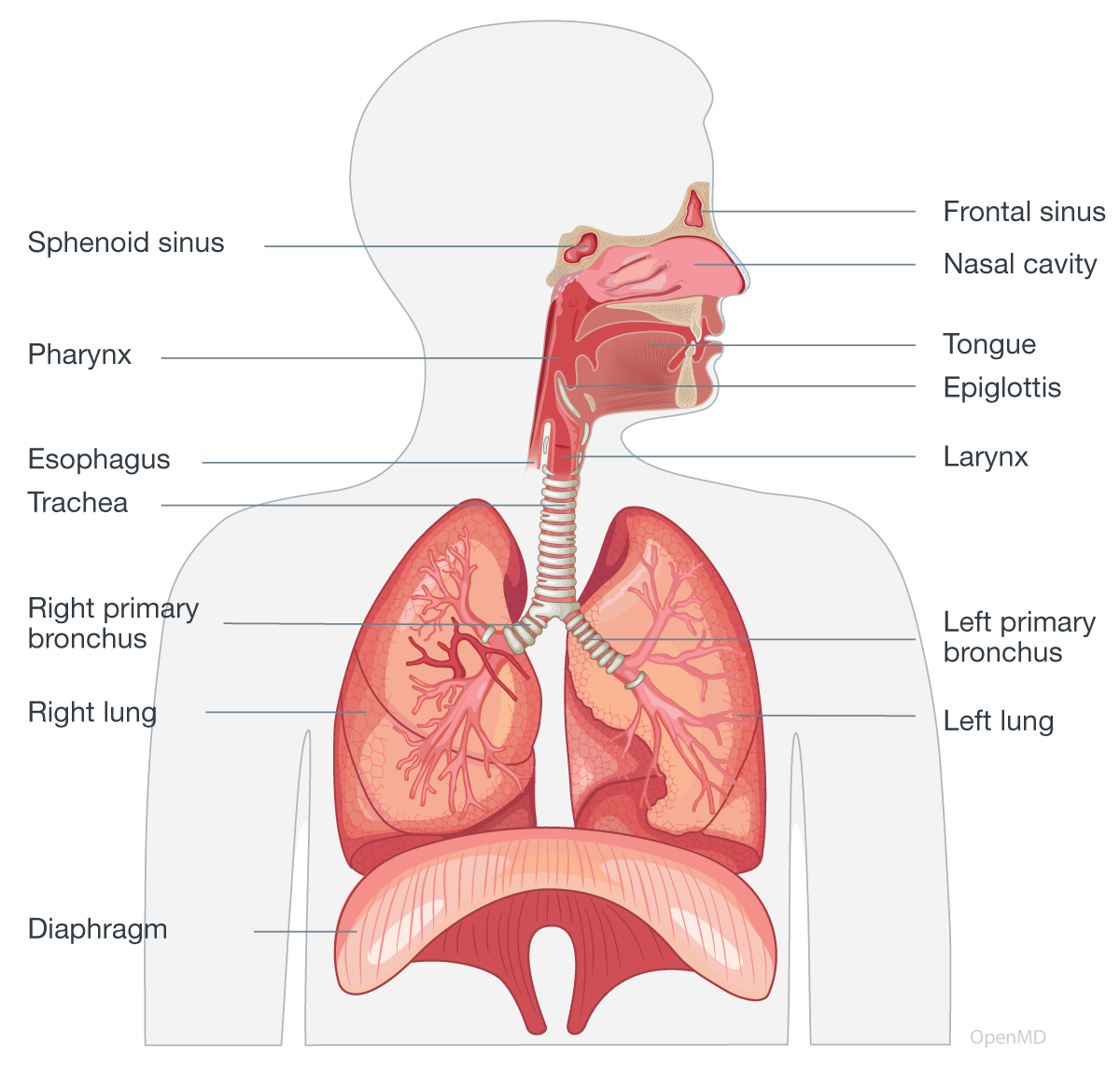
Introduction to Human Respiratory System
:max_bytes(150000):strip_icc()/human-respiratory-system-lungs-anatomy-1226884277-b922ec7e92054780a6dc2308107f5188.jpg)
L'anatomie des bronches Fmedic
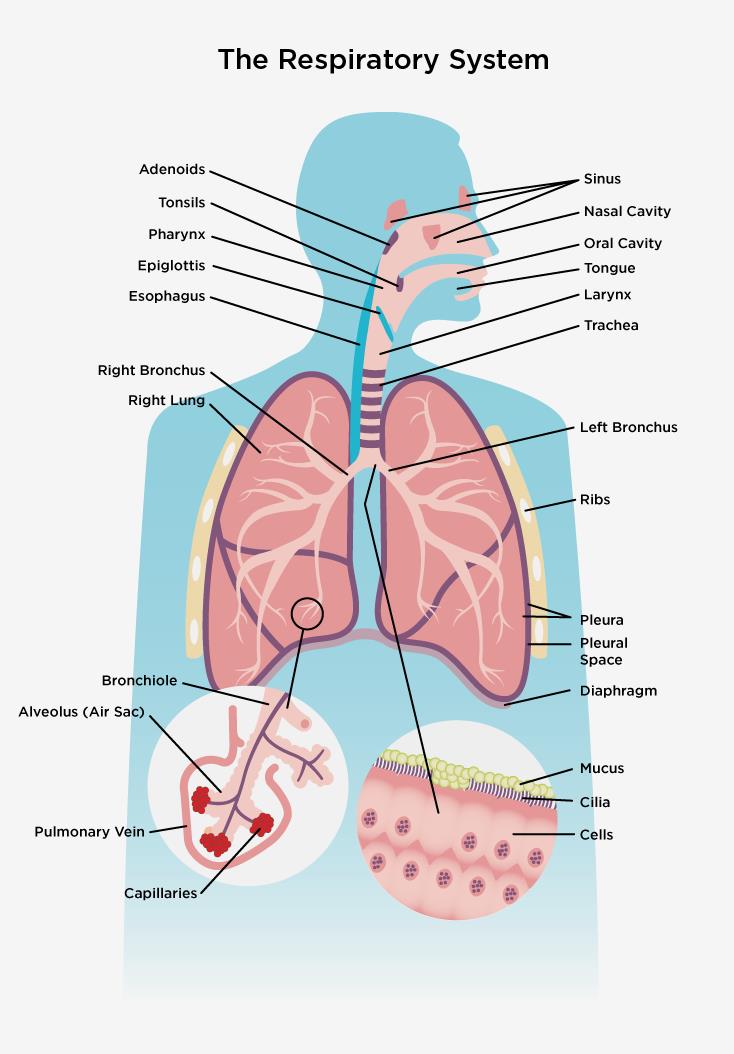
Respiratory system
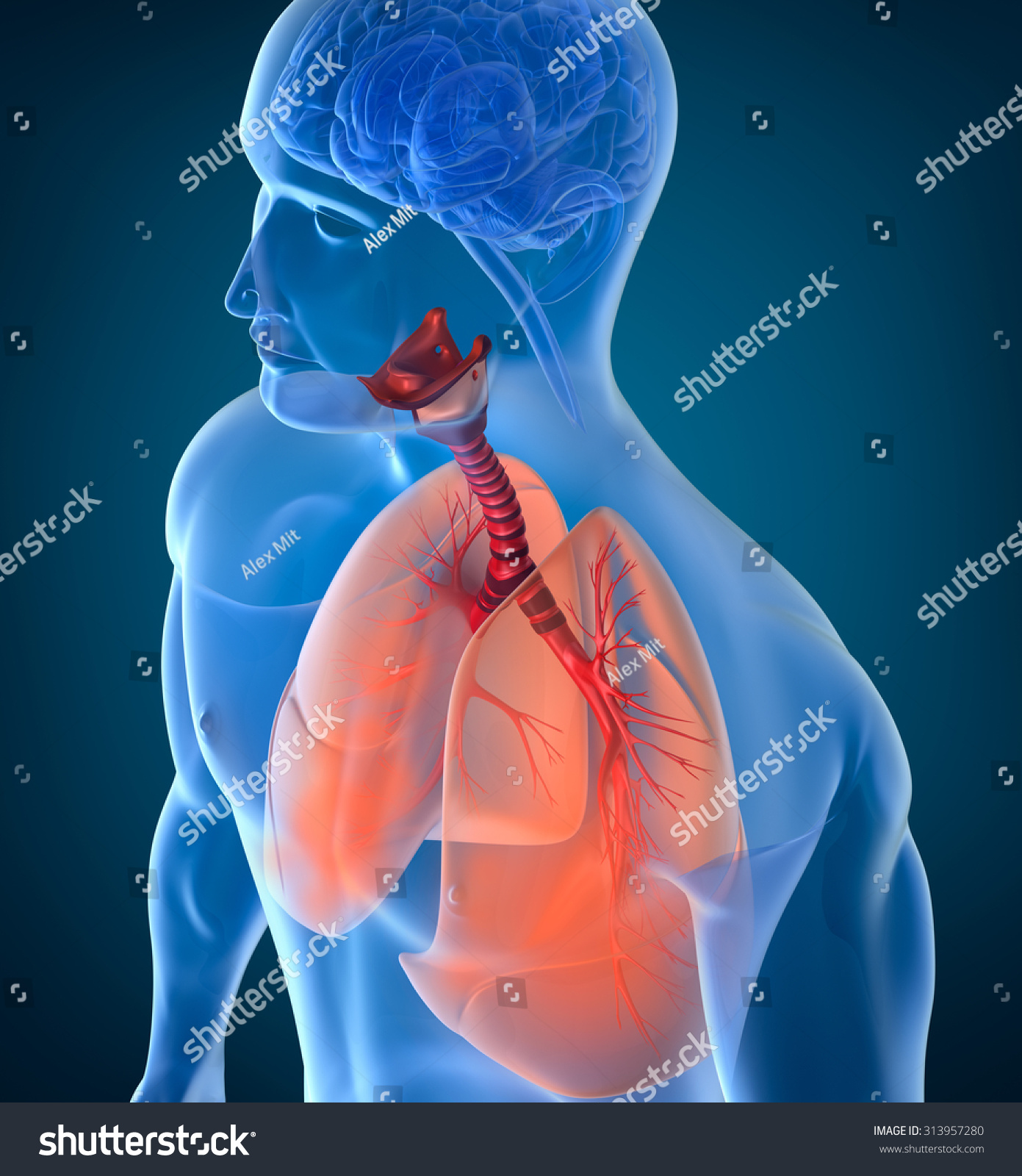
Anatomy Of Human Respiratory System
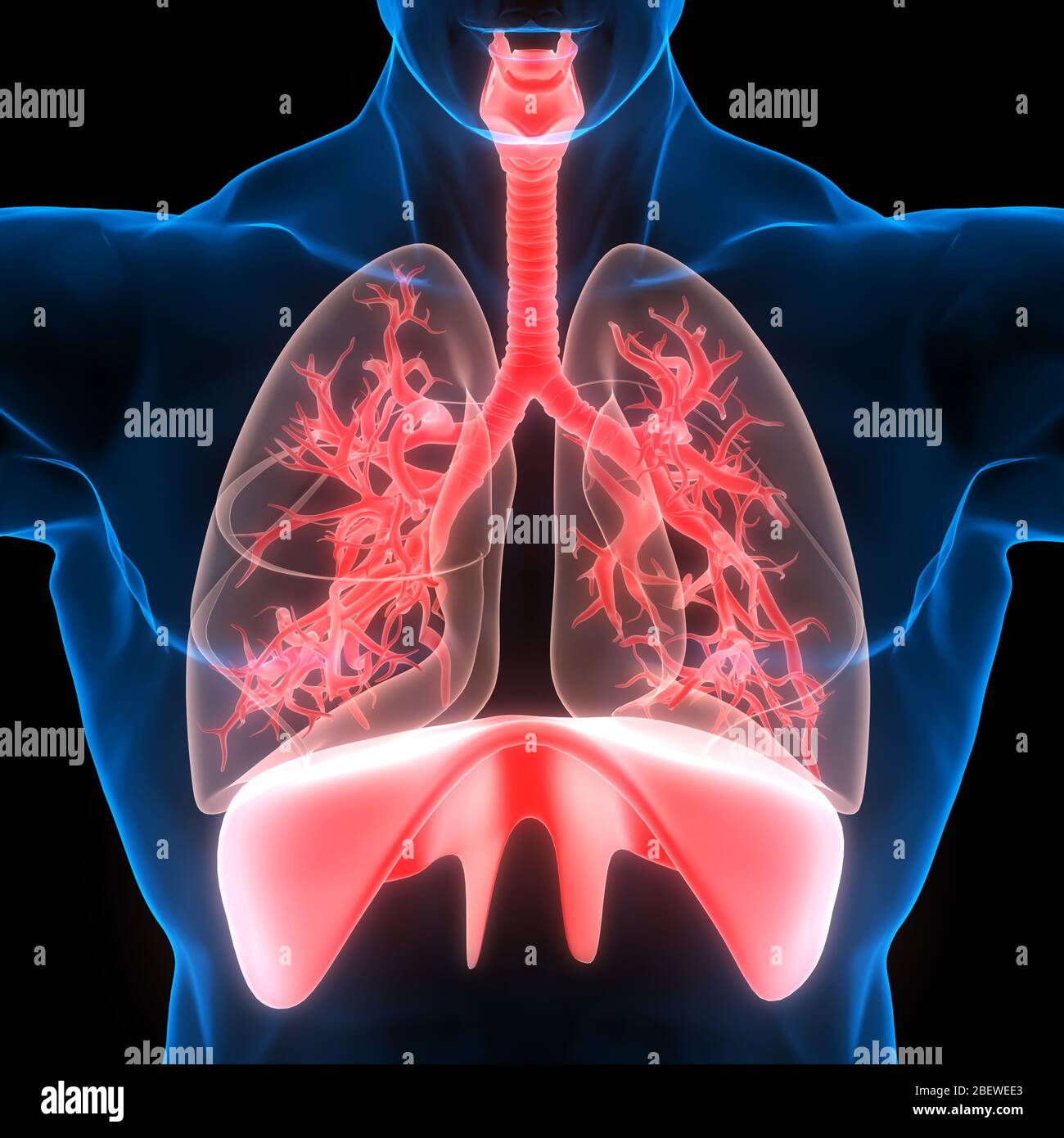
Human respiratory system hires stock photography and images Alamy
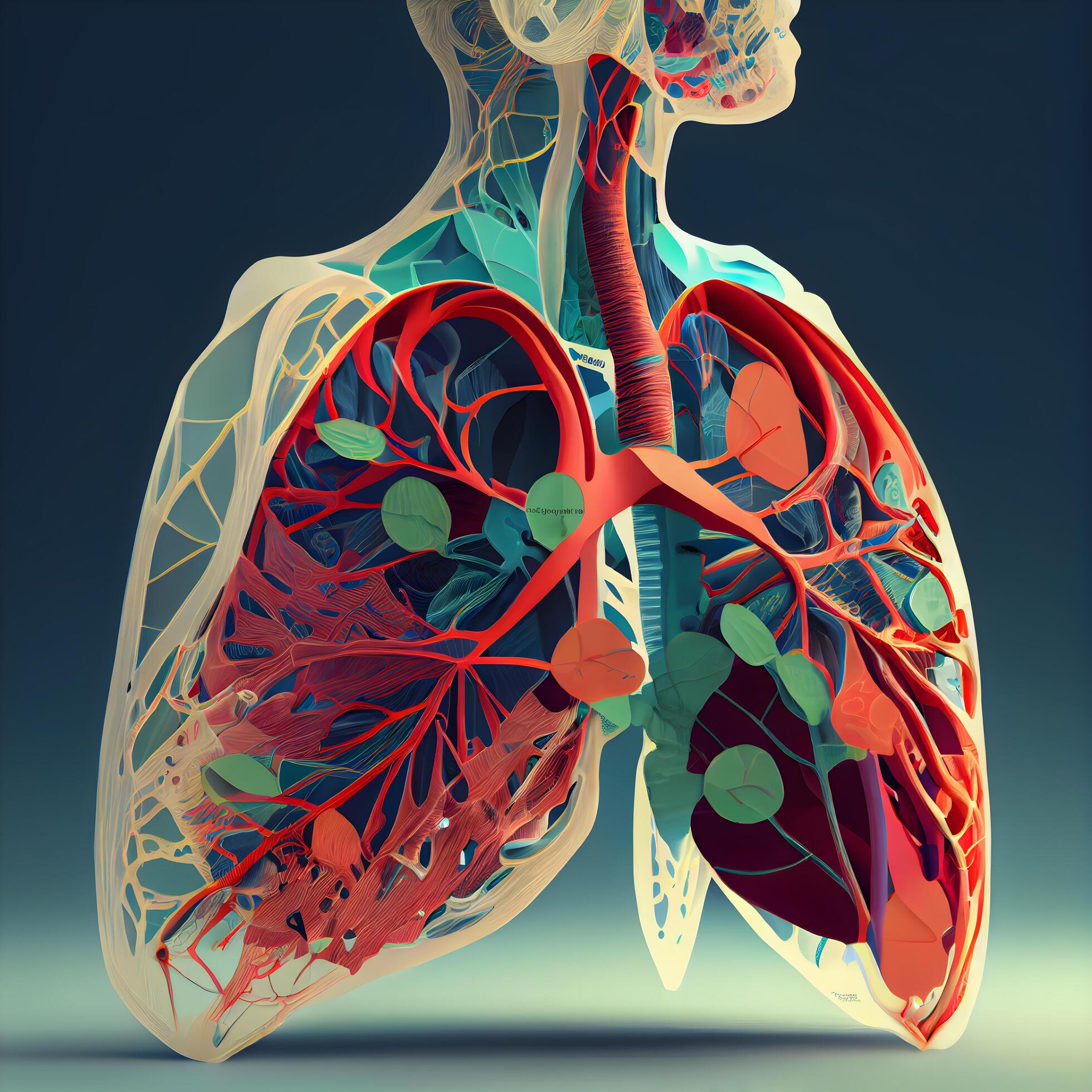
Human lungs anatomy. 3D medical illustration. Human respiratory system

The Diagram Of Respiratory System Respiratory System Lung Ch
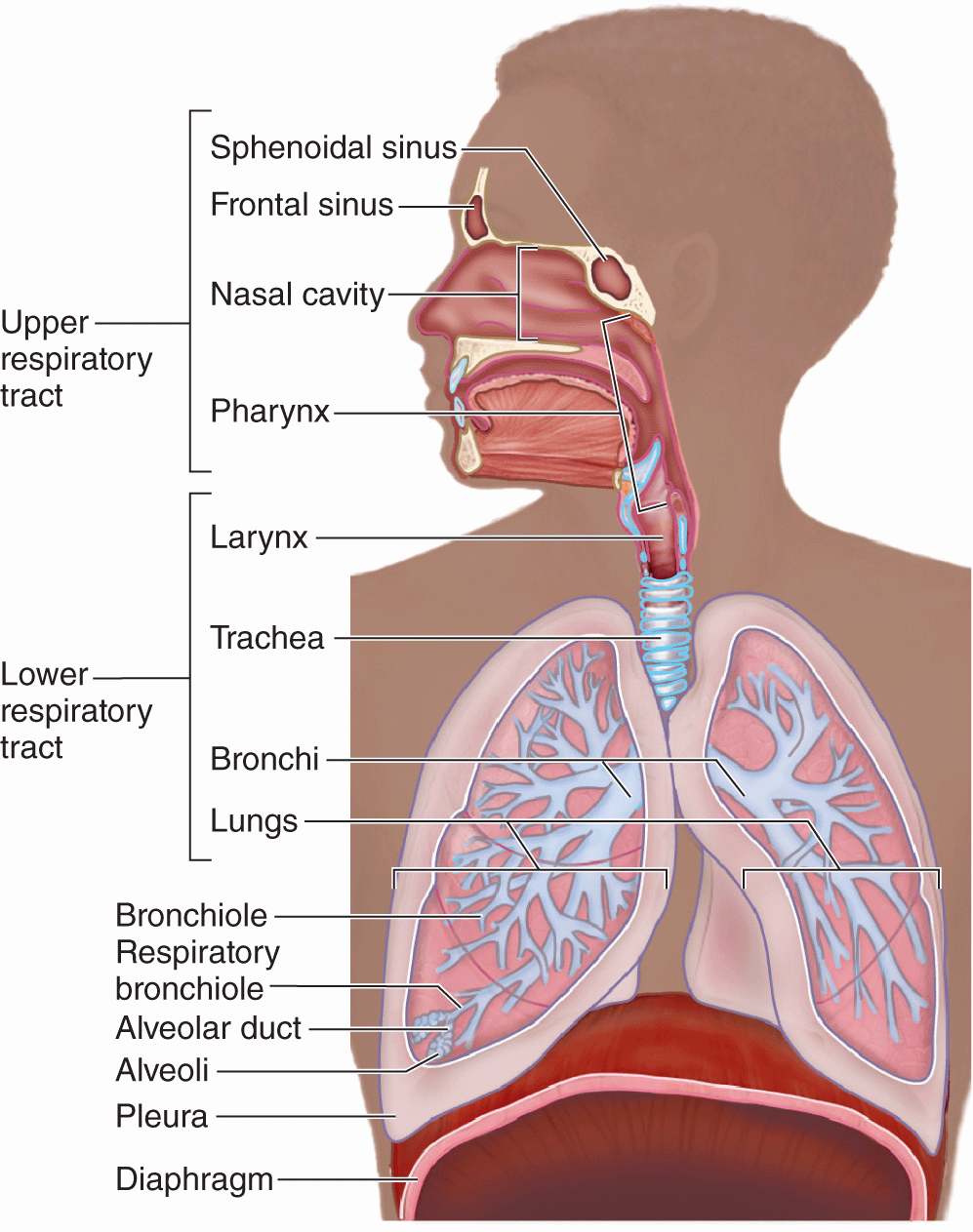
Respiratory System Connective Tissue

Draw And Label A Diagram Of The Respiratory System. Respirat
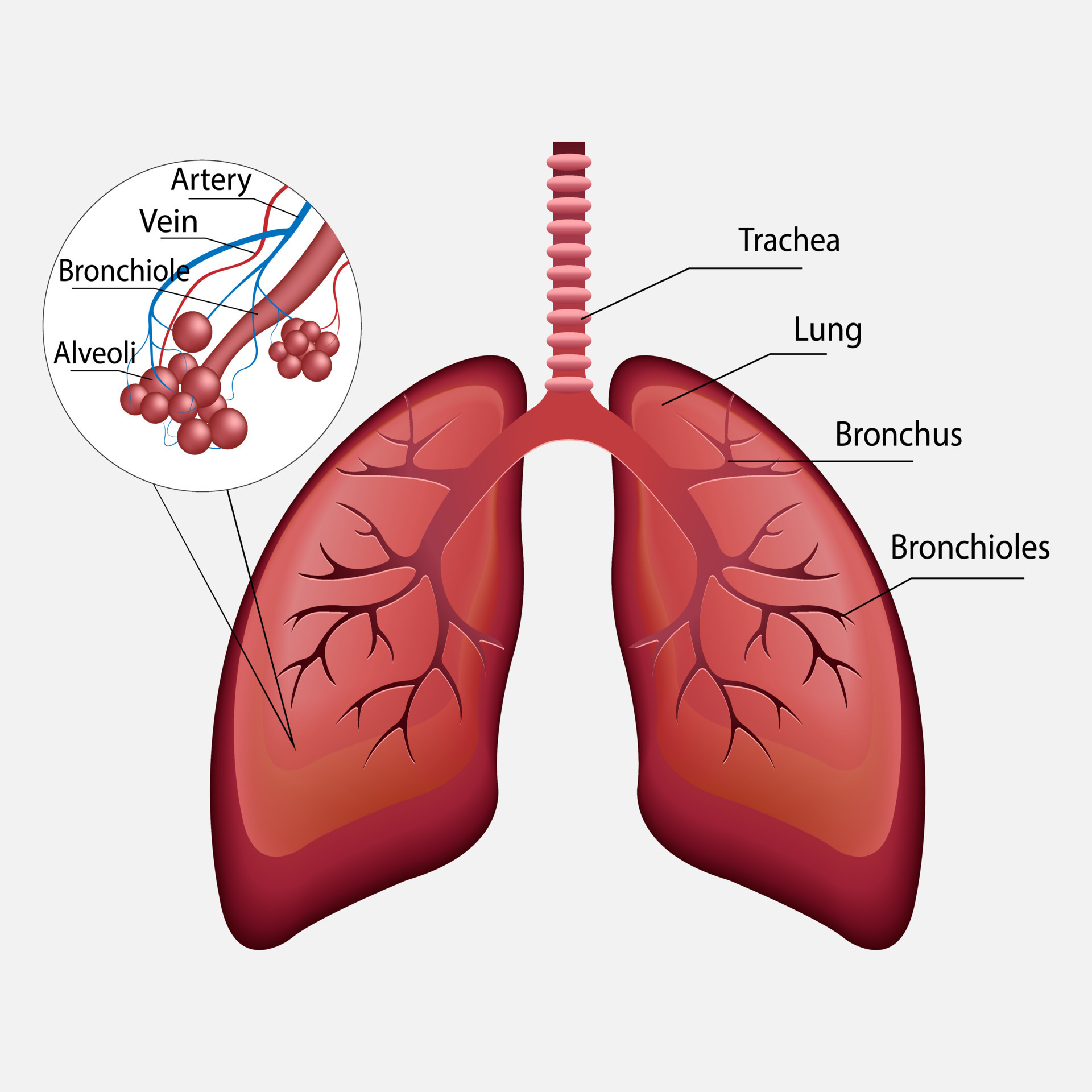
3d vector human respiratory system, lungs, alveoli. Anatomy of the
Learn More About The Respiratory System Here.
Oxygen, Which Is In The Air, Is Breathed Into The Lungs (Inhaled).
This Article Covers How It Works, What It Looks Like, And Some Diseases And Conditions That Can Affect It.
In This Article, We’ll Explore All There Is To Know About The Human Respiratory System, Including The Parts And Functions, As Well As Common Conditions That Can Affect It.
Related Post: