
Then And Now Template
Then And Now Template - The meaning of then is at that time. Then is an adverb that means “at that time,” “soon after that,” or “next in order of time.” when you’re talking about a sequence of events, you need then. The word than is used for comparisons to show who or what something is compared against. Then (pronounced with a short “e” sound) refers to time. Then can function as an adjective, adverb, or noun,. Then is an adverb that is used to indicate the subsequent or following moment, time, event, or action after a particular occurrence or in a specific sequence. It’s typically an adverb, but it’s also used as a noun meaning “that time” and as an adjective referring to a previous status. (at) that time (in the past or in the future): For example,“cats are smarter than dogs.”. Then and than are homophones that sound alike but have different meanings. Then (pronounced with a short “e” sound) refers to time. Then and than are homophones that sound alike but have different meanings. For example,“cats are smarter than dogs.”. The word than is used for comparisons to show who or what something is compared against. Then is used when you're talking about something. (at) that time (in the past or in the future): How to use then in a sentence. The meaning of then is at that time. To keep this pair of words straight, focus on this basic difference: Then is an adverb that means “at that time,” “soon after that,” or “next in order of time.” when you’re talking about a sequence of events, you need then. Master the word then in english: Then is an adverb that means “at that time,” “soon after that,” or “next in order of time.” when you’re talking about a sequence of events, you need then. For example,“cats are smarter than dogs.”. The word than is used for comparisons to show who or what something is compared against. Then is an. The meaning of then is at that time. (at) that time (in the past or in the future): For example,“cats are smarter than dogs.”. How to use then in a sentence. To keep this pair of words straight, focus on this basic difference: Then can function as an adjective, adverb, or noun,. It’s typically an adverb, but it’s also used as a noun meaning “that time” and as an adjective referring to a previous status. Than is used when you're talking about comparisons; For example,“cats are smarter than dogs.”. Then (pronounced with a short “e” sound) refers to time. To keep this pair of words straight, focus on this basic difference: (at) that time (in the past or in the future): Then is an adverb that is used to indicate the subsequent or following moment, time, event, or action after a particular occurrence or in a specific sequence. Master the word then in english: Than is used when you're. Then is an adverb that is used to indicate the subsequent or following moment, time, event, or action after a particular occurrence or in a specific sequence. Then (pronounced with a short “e” sound) refers to time. How to use then in a sentence. It’s typically an adverb, but it’s also used as a noun meaning “that time” and as. The meaning of then is at that time. The word than is used for comparisons to show who or what something is compared against. (at) that time (in the past or in the future): Then is an adverb that means “at that time,” “soon after that,” or “next in order of time.” when you’re talking about a sequence of events,. Than is used when you're talking about comparisons; (at) that time (in the past or in the future): It’s typically an adverb, but it’s also used as a noun meaning “that time” and as an adjective referring to a previous status. Then can function as an adjective, adverb, or noun,. To keep this pair of words straight, focus on this. It’s typically an adverb, but it’s also used as a noun meaning “that time” and as an adjective referring to a previous status. Master the word then in english: For example,“cats are smarter than dogs.”. Then is used when you're talking about something. How to use then in a sentence. Then can function as an adjective, adverb, or noun,. Then and than are homophones that sound alike but have different meanings. (at) that time (in the past or in the future): The word than is used for comparisons to show who or what something is compared against. Then is an adverb that means “at that time,” “soon after that,” or. The meaning of then is at that time. Than is used when you're talking about comparisons; Then and than are homophones that sound alike but have different meanings. Then can function as an adjective, adverb, or noun,. Then is an adverb that means “at that time,” “soon after that,” or “next in order of time.” when you’re talking about a. Then is an adverb that means “at that time,” “soon after that,” or “next in order of time.” when you’re talking about a sequence of events, you need then. Than is used when you're talking about comparisons; Master the word then in english: For example,“cats are smarter than dogs.”. The word than is used for comparisons to show who or what something is compared against. How to use then in a sentence. (at) that time (in the past or in the future): Then (pronounced with a short “e” sound) refers to time. Then can function as an adjective, adverb, or noun,. Then is an adverb that is used to indicate the subsequent or following moment, time, event, or action after a particular occurrence or in a specific sequence. Then and than are homophones that sound alike but have different meanings. Then is used when you're talking about something.
Then and now Blank Template Imgflip
Then vs now Blank Template Imgflip

then and now Blank Template Imgflip

India Then & Now Blank Template Imgflip
THEN TO NOW Blank Template Imgflip

Democrats then and now Blank Template Imgflip

then & now Blank Template Imgflip

Then And Now Blank Template Imgflip

Then Vs. Now Blank Template Imgflip
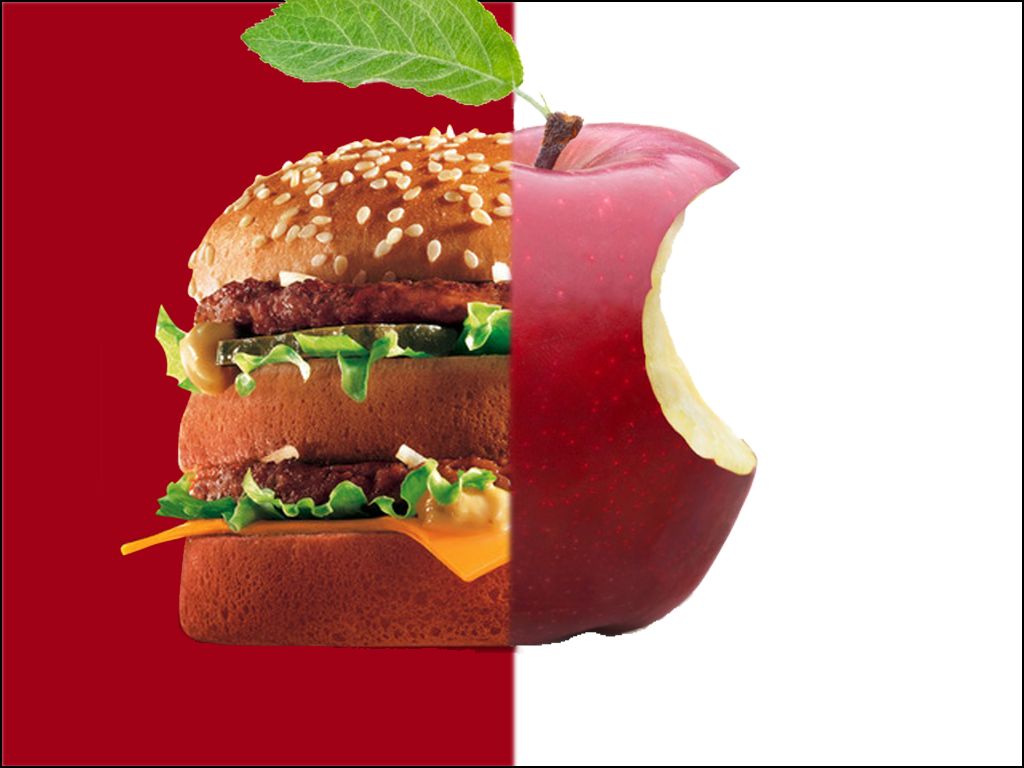
Sin then and now Blank Template Imgflip
The Meaning Of Then Is At That Time.
It’s Typically An Adverb, But It’s Also Used As A Noun Meaning “That Time” And As An Adjective Referring To A Previous Status.
To Keep This Pair Of Words Straight, Focus On This Basic Difference:
Related Post: